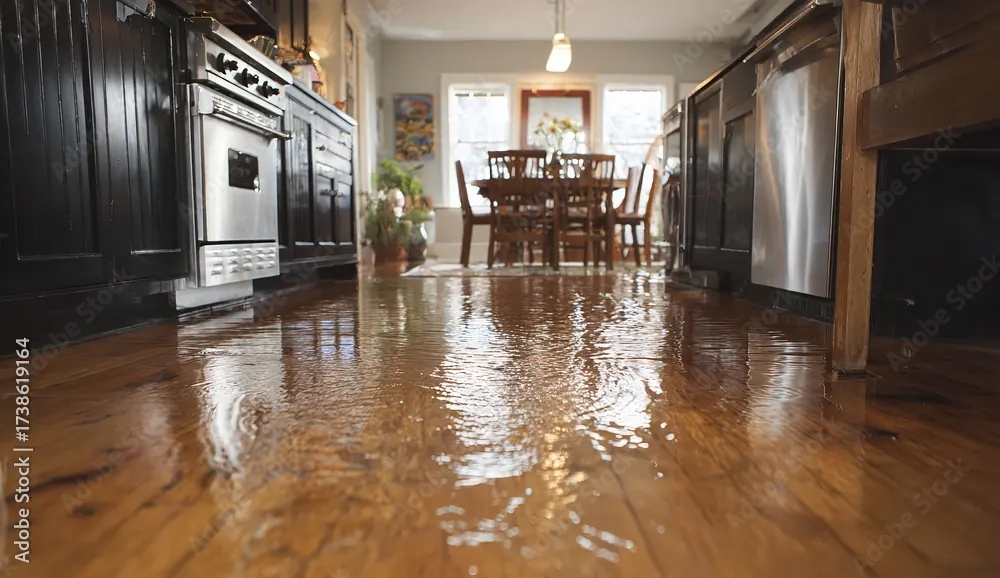
AC Condensate Leaks: A Hidden Water Damage Risk in San Antonio

When San Antonio homeowners think about water damage, they usually picture burst pipes, heavy storms, or flooding. But one of the most common sources of water damage we respond to — especially as temperatures climb in April and May — is the air conditioning system. Specifically, the condensate drain line. It is a small component that most homeowners never think about, but when it clogs or fails, it can quietly dump gallons of water into your ceilings, walls, and floors.
In a city like San Antonio, where air conditioners run hard for most of the year, condensate leaks are not an edge case. They are a regular cause of interior water damage, and because the water often drips slowly and stays hidden, it can cause significant harm before anyone notices.
How Your AC System Produces Water
Air conditioners do not just cool the air — they also dehumidify it. As warm, humid air passes over the cold evaporator coil inside your AC unit, moisture condenses out of the air and drips into a collection pan, much like condensation forms on a cold glass. That collected water is then routed out of your home through the condensate drain line, typically to a floor drain, outside the house, or into a utility sink.
In a humid climate like San Antonio's, your AC can pull a significant amount of moisture from the air every single day it runs. That is a lot of water moving through a small drain line — and the more your system runs, the more likely that line is to develop problems.
Why San Antonio's Climate Makes AC Leaks More Likely
Our climate creates conditions that make condensate problems especially common. High humidity means the evaporator coil is working harder and producing more condensate. Warm temperatures mean the system runs nearly year-round, giving algae, mold, and debris more time to build up inside the drain line. Common reasons condensate lines fail in San Antonio homes include:
- Algae and mold growth inside the drain line, which gradually chokes off flow
- Dust, pet hair, and debris collecting in the drain pan or line over time
- Improper installation that leaves the line without enough slope to drain freely
- Aging PVC lines that crack, separate at joints, or pull loose from the unit
- A full or cracked drain pan that overflows before water reaches the line
💡 Pro Tip: Most HVAC technicians recommend pouring a cup of diluted bleach or white vinegar into the condensate line access port every few months during the cooling season to prevent algae buildup — a simple step that can prevent a costly water damage event.
Warning Signs of an AC Condensate Leak
Because the condensate line is usually tucked inside walls, ceilings, or mechanical closets, leaks can go undetected for a long time. Knowing what to look for can help you catch a problem early, before it spreads. Common warning signs include:
- Water stains or discoloration on ceilings directly below an upstairs air handler
- Dripping sounds near the indoor AC unit or in the ceiling when the system is running
- A musty or moldy smell near vents, returns, or the air handler closet
- Standing water in the drain pan beneath the air handler
- Wet drywall, bubbling paint, or soft spots near the mechanical closet
- Your AC shutting off unexpectedly — many modern units have a float switch that cuts power when the pan overflows
The last sign is actually a built-in safety feature worth knowing about. If your AC system suddenly stops cooling and you cannot figure out why, a full or overflowing condensate pan is one of the first things to check.
The Water Damage a Slow AC Leak Can Cause
A dripping condensate line may not seem urgent — it is not a burst pipe or a flooded room. But slow, steady moisture in a confined space is exactly the kind of problem that leads to serious structural damage and mold. Over days or weeks, a leaking condensate line can cause:
- Drywall that becomes saturated, soft, and eventually crumbles
- Ceiling panels that sag, stain, or collapse if enough water collects above them
- Wood framing and subfloors that absorb moisture and begin to rot or warp
- Insulation that soaks through and holds moisture long after the leak is fixed
- Mold growth inside walls, above ceilings, or in the air handler closet itself
Because the leak is hidden and the water source is persistent — your AC may run for hours every day — the damage can spread far beyond where the line actually failed. We often find moisture in walls and ceilings well away from the original drip point, because water follows framing members, runs along pipes, and travels under flooring before it becomes visible.
What to Do If You Discover an AC Condensate Leak
If you notice any of the warning signs above, taking quick action limits how much damage occurs. Here are the steps to take right away:
- Turn off the air conditioner at the thermostat to stop additional water from being produced
- Check the drain pan — if it is full, carefully empty it to prevent overflow
- Do not use fans to dry out wet ceilings or walls on their own, as this can spread mold spores
- Document everything with photos before touching or moving anything
- Call an HVAC technician to locate the blockage and clear or repair the condensate line
- Call a water damage restoration company if drywall, ceilings, or floors feel wet or soft
It is important not to assume the area will dry out on its own once the AC is off. Drywall, insulation, and wood framing can hold moisture for days or weeks. Without proper drying equipment and moisture readings, you have no way to know whether the area is truly dry or whether mold is already starting inside the wall.
When to Call for Professional Water Damage Restoration
Some AC condensate leaks are caught quickly and cause minimal damage — a wet pan, a damp closet floor, a small stain. But many go unnoticed long enough to warrant professional restoration. You should call a certified restoration team when:
- Ceilings, walls, or floors feel soft, spongy, or show visible water staining
- You can smell mustiness or mold near the air handler or in adjacent rooms
- The leak has been ongoing for more than a day or two without being caught
- The AC closet or attic space above the unit shows signs of standing water or soaking insulation
- Moisture meters or your own touch suggest water has traveled beyond the immediate area
A professional team will use moisture meters and thermal imaging to map exactly where the water went — including inside walls and above ceilings where you cannot see. They can set up drying equipment to pull moisture out of building materials properly, apply antimicrobial treatments to prevent mold, and document everything for your insurance claim if the damage qualifies.
💡 Pro Tip: Check your homeowners insurance policy for coverage details. AC condensate leaks are sometimes covered under sudden and accidental water damage provisions, especially if the damage was not caused by lack of maintenance. A restoration company experienced with insurance documentation can help you navigate that process.
If you have discovered water damage from an AC leak in your San Antonio home, San Antonio Water Damage & Restoration is ready to help. We respond 24/7, arrive within 45 minutes, and use professional moisture detection and drying equipment to make sure hidden damage does not turn into a bigger problem. Call (210) 646-4379 to get started.