Questioning DIY Water Cleanup in San Antonio Homes
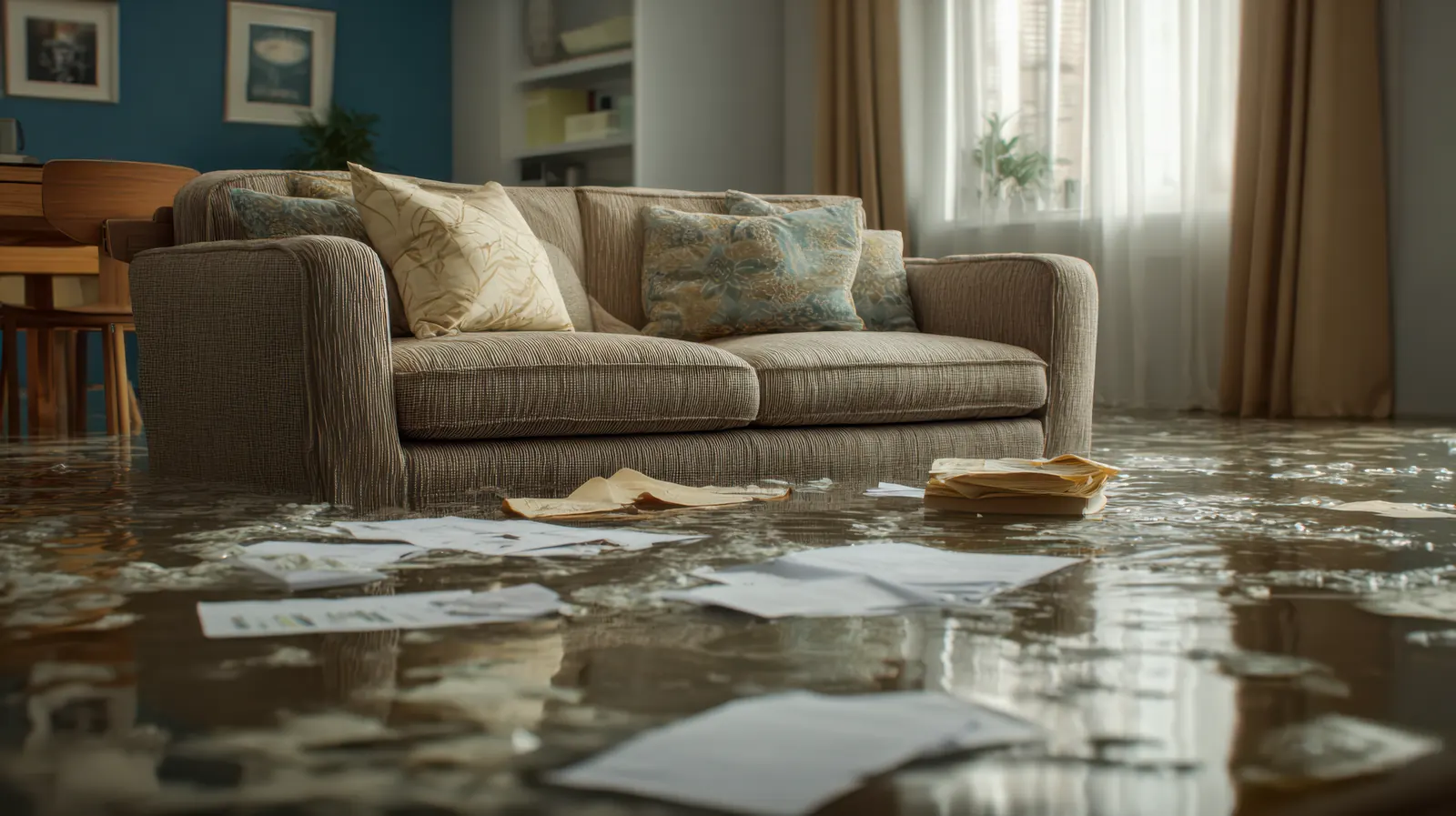
Water on the floor never feels like "no big deal" for long. One minute you are grabbing a mop after a washing machine overflow, and the next you are staring at baseboards, wondering how far the water went and if you should be worried.
We talk with a lot of homeowners who start with DIY cleanup and then realize there is more going on under the surface. In our area, water damage gets tricky fast because of slab foundations, pier-and-beam floors, and our warm, humid climate. This article walks through when DIY can make sense, when it turns into a risky gamble, and why professional help often protects your home and health in ways a towel and box fan simply cannot.
Hidden Realities of Water Damage in San Antonio
On the surface, a small puddle looks simple. But inside a home in our part of Texas, water rarely stays on top of the floor. Our local conditions make water damage in San Antonio more sneaky and more stubborn than many people expect. Common causes we see include:
- Spring storms and flash flooding that push water in around doors and through low entry points
- Aging plumbing lines, water softeners, and supply hoses that drip inside walls or under cabinets
- AC and HVAC drain line leaks that drip into ceilings or closets
- Slow leaks around showers, tubs, and toilets that soak subfloors over time
Water follows the path of least resistance. It can run under tile or vinyl and into the next room, wick up drywall behind baseboards even when the surface looks dry, settle into wall cavities and insulation where it stays trapped, and collect in low spots in slab-on-grade or pier-and-beam structures.
In warm, humid air, moisture does not just dry away quietly. It feeds mold growth and dust mites and can kick up allergens. During heavy rain, water that enters from outside or backs up from drains can carry bacteria and other contaminants from creeks, soil, and sewer lines.
Even water that starts out clean — like a supply line leak — can turn into gray or black water within a day or two. Once that happens, touching it, walking through it, or trying DIY cleanup without proper safety steps raises health concerns for everyone in the home.
Where DIY Cleanup Works and Where It Fails
Not every water issue needs full professional restoration, but many do. The challenge is knowing the difference before the damage spreads. DIY efforts may be reasonable for very small, low-risk situations such as:
- A small spill on tile or sealed concrete, wiped up right away
- A minor leak from a sink caught within minutes, where water did not reach walls or cabinets
- A few damp towels or rugs that can be washed and fully dried quickly
Even in these cases, it helps to keep an eye on the area for musty odors, staining, or any change in flooring. DIY starts to fail when water has soaked into walls, ceilings, or under baseboards; you see buckling, cupping, or warping in hardwood or laminate; there is a musty or earthy smell that will not go away; drywall looks stained, swollen, or crumbly; or the source is a toilet, dishwasher, washing machine, or outside flooding.
Common mistakes we see with DIY cleanup include:
- Using fans without strong dehumidification, which can spread moisture through the air
- Skipping wall cavities and insulation and only drying the room surface
- Forgetting to check under cabinets, behind appliances, and in closets
- Assuming "dry to the touch" means materials are actually dry inside
💡 Pro Tip: These missteps can turn into mold behind the walls, warped floors, and structural damage that shows up months later. At that point, you are not just drying — you are replacing.
Why Professional Restoration Beats Store-Bought Gear
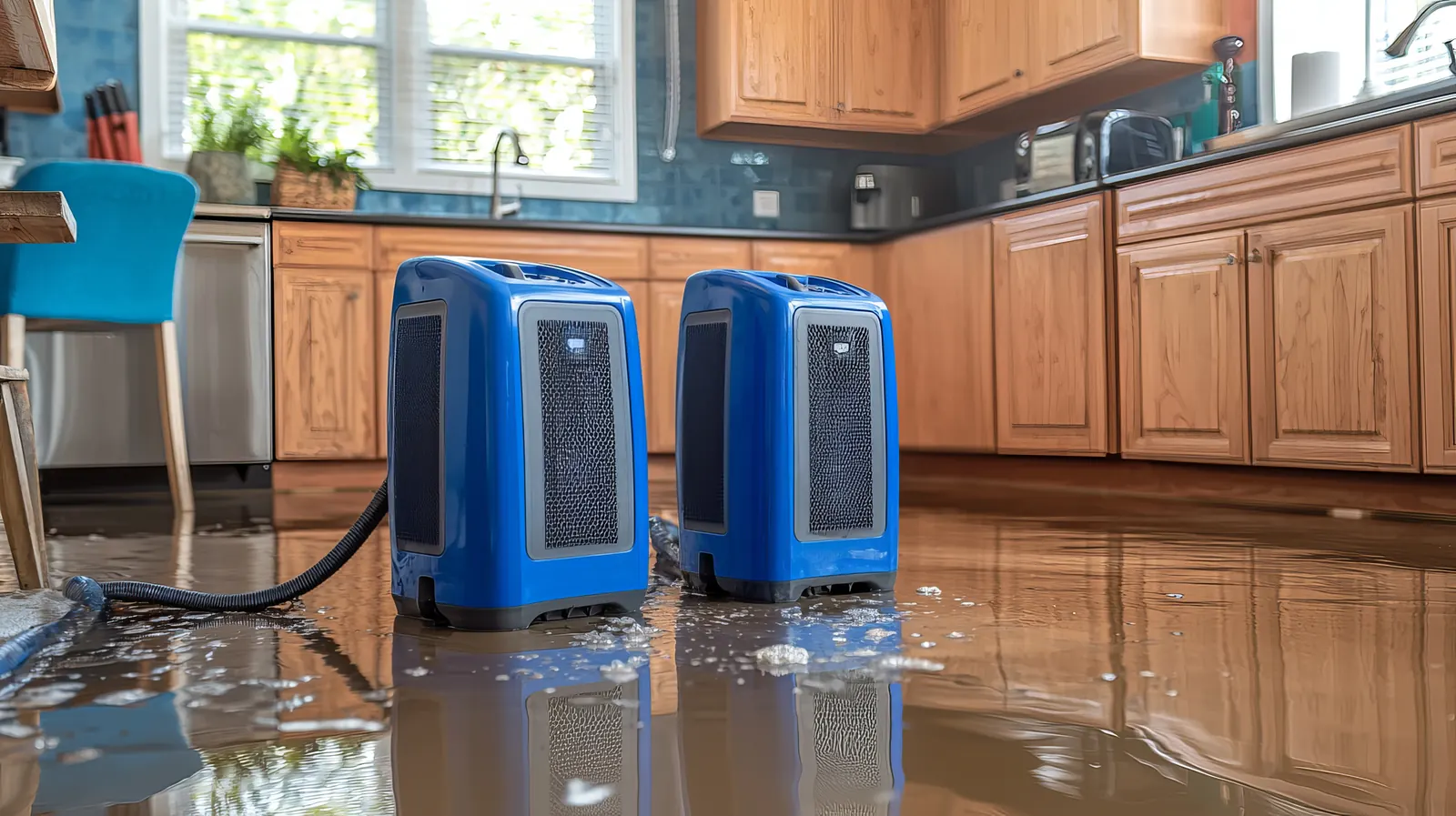
Homeowners often have a shop-vac, a few box fans, and maybe a small dehumidifier. Those tools help a little on simple cleanups, but they are not designed for full structural drying or dealing with hidden moisture. Professional restoration teams use equipment that goes much further, including:
- Truck-mounted or commercial extractors that pull out far more water from carpets and padding
- Low-grain refrigerant dehumidifiers that remove moisture from the air at a high rate
- Air movers positioned in a specific pattern to move air across wet surfaces
- HEPA filtration devices when there are concerns about mold or contaminants
IICRC-certified technicians follow set standards rather than guessing. They map out wet areas with moisture meters and sometimes thermal imaging, create a drying plan based on the materials affected, adjust equipment and check moisture levels daily, and work to prevent secondary damage like swelling, mold, and delamination.
Professionals also know how to classify water as clean, gray, or black and treat it appropriately, safely remove and discard contaminated materials, and clean and sanitize surfaces so the space is safe to occupy again.
💡 Pro Tip: For water damage in San Antonio, good documentation matters. Detailed photos, moisture logs, and final drying reports help many homeowners when working with their insurance company on a claim.
San Antonio Weather, Timing, and the 48-Hour Mold Window
Spring in our area brings longer days, busy schedules, and very often more water problems inside homes. Heavy storms can overwhelm gutters and drains. Hail and wind can open small gaps in roofs, and AC systems start working harder — which means more condensation and more chances for drain line issues.
One of the most important ideas to understand is the "48-hour rule." In our warm climate, mold can begin to grow within 24 to 48 hours on wet drywall, damp carpet and padding, wood framing and trim, and stored items like boxes and furniture.
When a homeowner decides to "wait and see" after a leak, precious time passes. What might have been a focused drying job can turn into full mold remediation, removal of building materials, and then reconstruction. Quick action always matters — whether it is basic steps you take yourself or bringing in a trained team. Professional crews can respond any time, set up equipment right away, and work to stabilize the home so damage does not keep spreading.
How to Decide Between DIY and Professional Help
So how do you know when to stop mopping and call in a certified restoration team? Ask yourself:
- What is the source of the water: a clean supply line, or possibly contaminated water?
- How long has the area been wet: for minutes, hours, or days?
- How deep did the water get and how far did it spread?
- Which materials are affected: just tile and a small rug, or drywall, cabinets, and flooring?
- Does anyone in the home have breathing issues, allergies, or a weaker immune system?
If any of these answers point to higher risk, structural involvement, or health concerns, it is usually safer to involve professionals. While you are waiting for help, shut off the water at the source if you can reach it, move valuables away from wet areas if the environment is safe, and take photos of the damage for your records.
San Antonio Water Damage & Restoration is a local, 24/7 IICRC-certified restoration company. We work across the San Antonio area handling water, flood, mold, fire, sewage cleanup, and full reconstruction. Our role is to assess what really happened, explain what is and is not necessary, and coordinate with your insurance when needed so your home can be dry, clean, and safe again.
Restore Your Property With Fast, Local Water Damage Experts
If you are dealing with water damage in San Antonio, we can respond quickly to protect your home or business from further harm. At San Antonio Water Damage & Restoration, our trained team assesses the damage, removes water, and starts drying and restoration right away. Reach out today so we can walk you through your options and provide a clear plan to get you back to normal. If you are ready to schedule service or ask questions, contact us now.