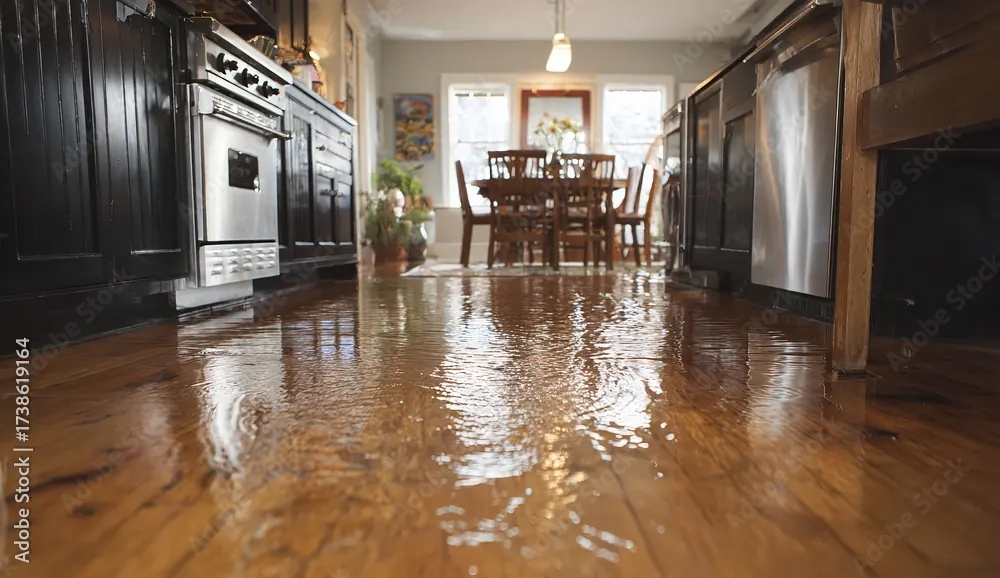
Warning Signs of Hidden Water Damage in San Antonio Homes
Water damage in San Antonio often starts small and quiet. A faint stain on the ceiling, a musty smell in the hallway, or a tiny bubble in the paint can seem like no big deal. But hidden moisture can slowly eat away at your walls, floors, and insulation until you are dealing with mold, warped wood, and major repairs.
We see it often in homes across our city. Spring storms, flash flooding, and older plumbing can lead to slow leaks that stay out of sight. In this guide, we will walk through the warning signs of hidden water damage, why they matter for your home and health, and what to do when something feels off but you cannot yet see standing water.
Hidden Water Damage Can Cost You Thousands
Many homeowners notice a small issue and put it off. A ceiling spot that seems to stop growing, a musty smell by the guest bathroom, or a door that sticks after heavy rain. Over time, that moisture can spread behind the scenes and turn into mold, rotten framing, and ruined flooring. In San Antonio, hidden water damage is a bigger risk because:
- Spring storms can drive rain under shingles, around windows, and under doors
- Flash flooding can push water into slabs, crawlspaces, and walls
- Aging pipes in older neighborhoods can leak slowly for a long time
- High humidity can keep damp areas from drying on their own
Subtle Signs Your Home Is in Trouble
Your home usually shows signs before water damage becomes a full disaster. The first clues often show up on ceilings, walls, and floors. Watch for discoloration and stains like:
- Yellow or brown spots on ceilings
- Dark streaks or rings on walls
- Slightly darker patches around windows, outlets, or baseboards
Changes in paint and texture are another big hint. Warning signs include peeling, cracking, or bubbling paint, warped or wavy trim and baseboards, and soft or swollen drywall that flexes when you press it. Flooring tells stories too — pay attention if you notice:
- Hardwood boards cupping, buckling, or separating
- Loose tiles or hollow-sounding spots
- Spongy, bouncy, or uneven sections in laminate or vinyl
- Dark lines or staining along grout joints
Smells, Sounds, and Feelings You Should Not Ignore
Water damage is not just something you see — it is something you smell, hear, and even feel in the air. Musty or earthy odors are a classic sign, especially persistent damp smells in closets, under sinks, or behind furniture, or a basement-like odor near AC returns or vents that comes back soon after cleaning.
Your ears can help too. Listen for dripping or trickling sounds in walls or ceilings, a faint hiss behind cabinets or near toilets, or the sound of running water when no fixtures are on. Watch for rooms that suddenly feel more humid or sticky, harder to cool, or damp and clammy underfoot — excess moisture strains your HVAC system and creates ideal conditions for mold growth.
Mold, Allergies, and Health Symptoms to Watch
Mold often follows hidden water damage. Watch for tiny black, green, or white spots on caulk or grout, growth on baseboards or window sills, or mildew that keeps coming back in the same area. If you keep cleaning the same patch and it keeps returning, there is usually a deeper moisture source feeding it. Pay attention to health changes at home too:
- Allergies that feel worse indoors
- Coughing, sneezing, or scratchy throat that eases when you leave the house
- Headaches or sinus pressure that seem tied to time spent at home
Mold and bacteria can thrive in damp wall cavities, under floors, and inside HVAC ducts even when you do not see visible growth. Signs that the problem is bigger and needs professional remediation include mold spreading across multiple walls or rooms, soft or crumbling drywall, and a strong musty odor throughout the home.
Structural and Utility Red Flags to Take Seriously
Water damage does not just stain surfaces — it can slowly affect the structure of your home and your utilities. Watch doors, windows, and trim for changes like doors that suddenly stick or scrape the floor, windows that are harder to open or close, and baseboards pulling away from the wall. Cracks and sagging are serious clues too:
- New sags or dips in ceilings, especially after heavy storms
- Walls that look bowed or wavy
- Cracks spreading out from corners or around windows
- Localized floor sagging or soft spots
Utility bills can tell you a lot as well. Watch for a sudden spike in water usage without any change in habits, higher electric bills because your AC is fighting extra humidity, or a pump or system that runs more often than normal.
What to Do When You Suspect Hidden Water Damage
If you think something is wrong, do not ignore that feeling. There are a few simple checks you can do right away:
- Turn off or avoid using fixtures you suspect are leaking
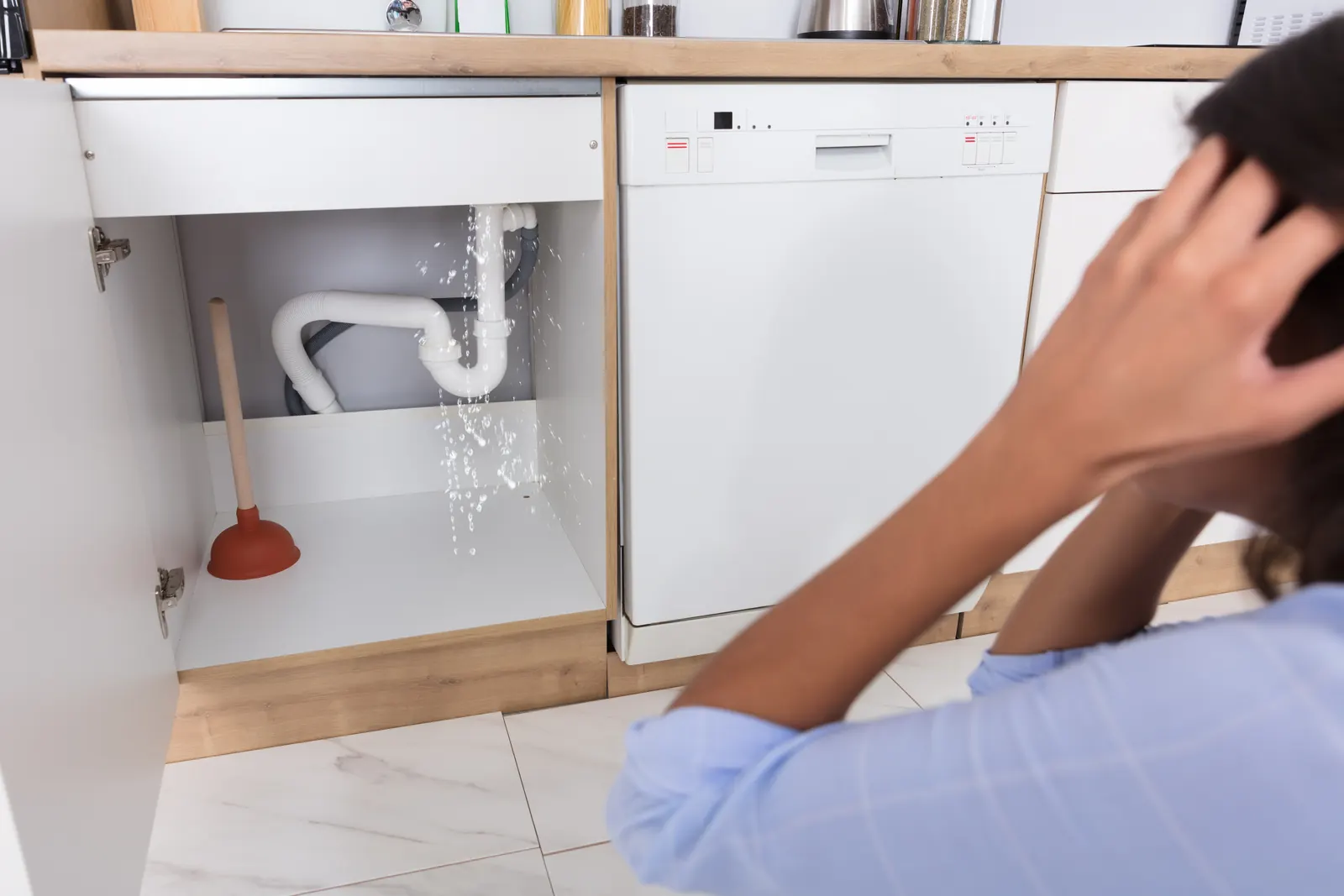
- Look under sinks, behind toilets, and around appliances for damp spots
- Gently press walls and baseboards to see if they feel soft
- Take clear photos and notes of any stains, damage, or recurring mold
💡 Pro Tip: Do not tear into walls or floors on your own. Water damage and mold can spread in ways that are hard to see, and disturbing materials without the right setup can make things worse and harder to map for insurance.
At San Antonio Water Damage & Restoration, we use moisture meters and thermal imaging to track water you cannot see, check how far damage has spread, and set up drying and cleanup the right way. We offer 24/7 emergency help for water, flood, mold, fire, and sewage damage. Call (210) 646-4379 — we respond within 45 minutes.