Preventing Water Damage in San Antonio Rental Properties
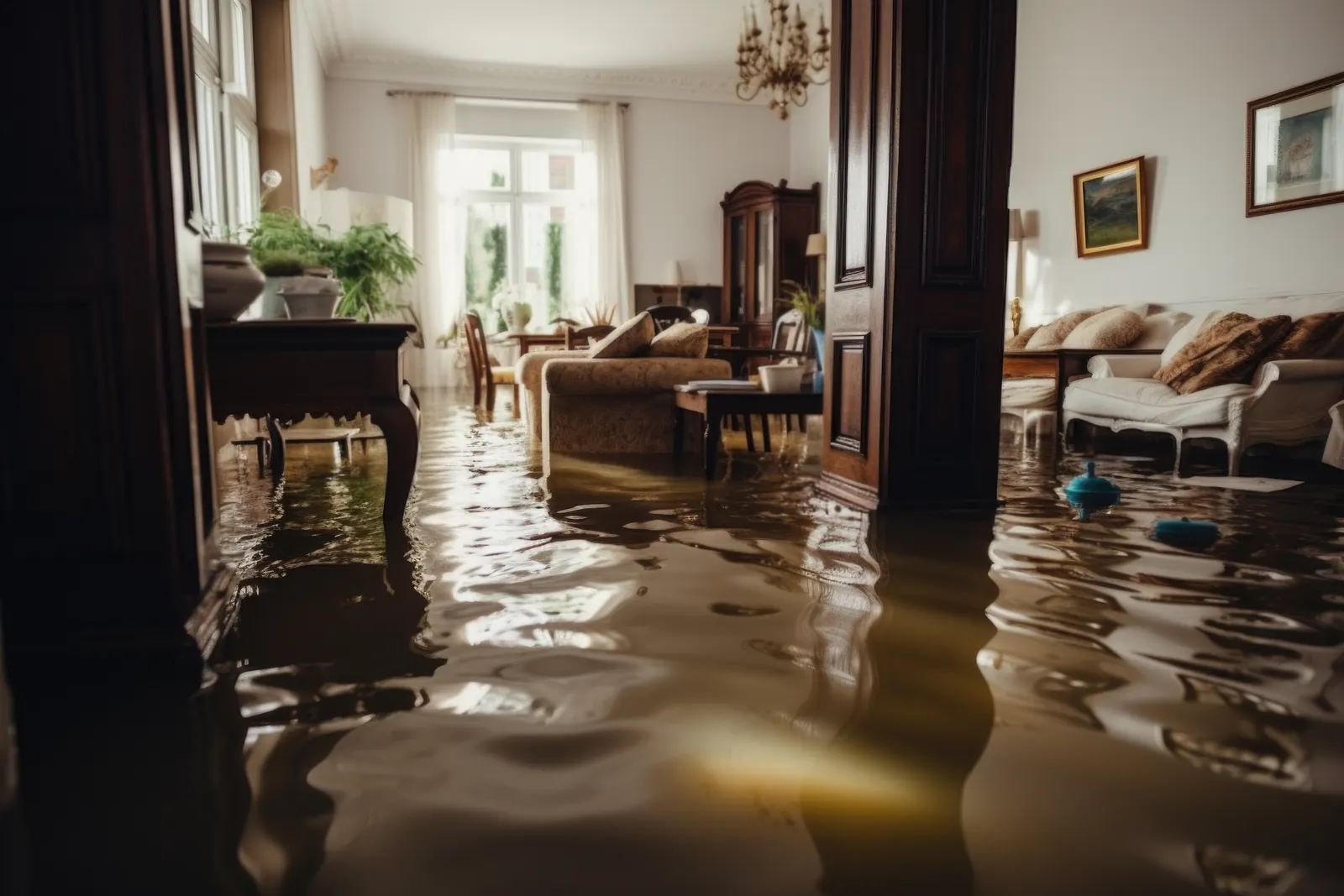
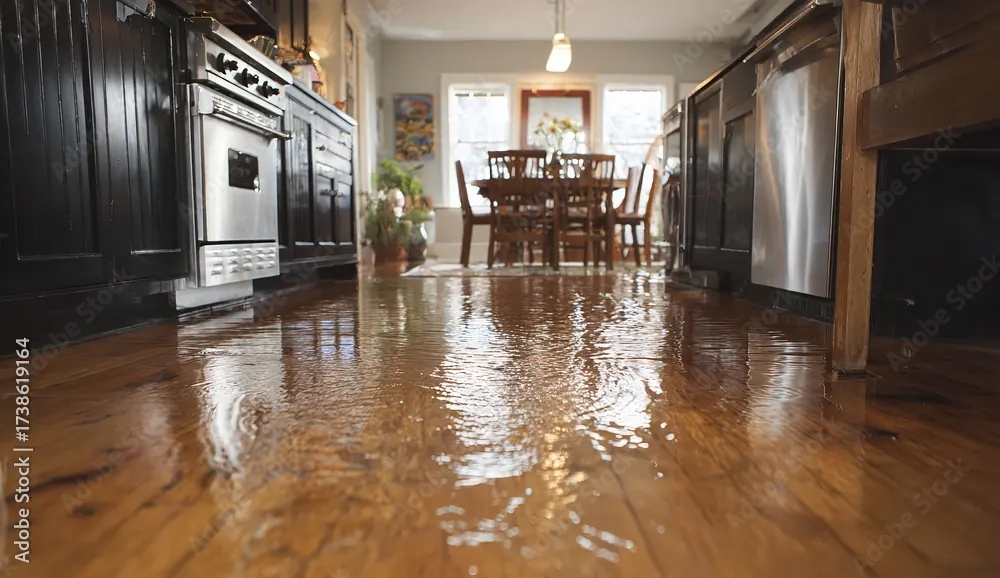
Water damage can wreck a rental faster than almost anything else. One bad leak can ruin floors, walls, cabinets, and ceilings, push tenants out, and spark arguments over repairs and responsibility — while slowing or stopping your rental income entirely. Here in San Antonio, water damage is a year-round concern. Spring storms, early tropical systems, and long stretches of heat all put stress on roofs, plumbing, and building materials.
Know San Antonio's Biggest Water Threats to Rentals
San Antonio's weather can flip from hot and sunny to heavy rain in a short time, putting rentals under constant pressure. Our area often sees:
- Strong spring thunderstorms that can push rain under shingles and through weak spots in roofs
- Occasional hail that dents vents, cracks shingles, and damages siding
- Early-season tropical systems that bring long, soaking rains and flash flooding
Even when it is dry, intense heat and sun beat down on roofs, caulking, and paint. Over time, this leads to:
- Dried-out sealant around windows and doors
- Cracked or curling shingles on older roofs
- Hairline gaps where water can slowly sneak in and go unnoticed
Many local buildings also have built-in weak points. We often see:
- Older plumbing and galvanized pipes in legacy properties that are more likely to corrode and leak
- Slab foundations that can hide leaks under flooring where you will not see water right away
- Water heaters in garages or closets that fail quietly and soak surrounding walls and floors
Multifamily buildings add more risk. Shared walls, stacked units, and common plumbing chases mean one leak can affect several apartments at the same time. San Antonio's heavy downpours can also overwhelm gutters, downspouts, and yard drains. Clay soils in our area expand when wet and shrink when dry — that movement can stress foundations and create new gaps where water can get inside.
Preventive Maintenance Every Landlord Should Prioritize
A little routine care goes a long way toward avoiding water damage in San Antonio rentals. Start with plumbing and appliances:
- Do basic checks twice a year under sinks, behind toilets, and around washing machines
- Look for corrosion on pipes, small drips, stains, or soft drywall
- Replace old supply lines with braided stainless-steel hoses where possible
- Add drip pans under water heaters and washing machines, especially on upper floors
Next, protect the roof and exterior. Before the wettest parts of the year:
- Have a roof professional inspect for missing shingles, cracked flashing, and damaged vents
- Repair any gaps around chimneys, skylights, or roof penetrations
- Clean gutters and downspouts so water flows freely away from the property
- Add splash blocks or extensions so downspouts do not dump water next to the foundation
Inside the unit, early detection tools can catch problems while they are small:
- Install leak detectors or smart water sensors near water heaters, under major appliances, and in AC closets
- Do a careful walkthrough between tenants and at regular intervals
- Watch for musty smells, bubbling paint, peeling caulk, or warped flooring that might indicate hidden moisture
💡 Pro Tip: Catching a slow drip or small stain early can prevent a full-blown water loss. A $20 leak sensor under a washing machine can save thousands in floor and subfloor repairs.
Tenant Education That Reduces Water Emergencies
Your tenants are in the building every day — they are your first line of defense. Build water responsibilities right into the lease:
- Require tenants to report leaks, drips, running toilets, or mold-like growth immediately
- Give simple examples of what to watch for — water under sinks, stains on ceilings, or soft spots in walls
- Add basic rules such as not flushing wipes or pouring grease down drains
- Ask tenants to get approval before installing washers, dishwashers, or large aquariums
Back that up with written instructions. A one-page guide can show:
- How to shut off the main water valve to the unit
- How to turn off water at toilets, sinks, and washing machines
- Who to contact in an after-hours water emergency
Before the stormy months, send seasonal reminders about closing windows fully before leaving, reporting any signs of roof or window leaks right away, and keeping balconies clear so drains do not clog. A 24/7 emergency line with clear response expectations means tenants are more likely to speak up early — and early reports save money.
Handling Storms and Flooding Around San Antonio
Water damage in San Antonio often spikes around strong storms. Before the wet season, try to:
- Check that the ground slopes away from the foundation
- Inspect French drains, yard drains, and swales to be sure they are open
- Clear leaves and debris from gutters, downspouts, and parking lot drains
- Test sump pumps and confirm any backups are working
During heavy rain and flash flood watches, keep a closer eye on ground-floor units, have maintenance walk common areas, and remind tenants to park in safer areas. If a water event does happen, the first 24 to 48 hours are critical:
- Take photos and videos of affected areas before cleanup starts
- Note which rooms, units, and materials were impacted
- Save records of past leaks or repairs in the same areas — this supports insurance claims
💡 Pro Tip: Good documentation before cleanup begins is one of the most important steps you can take. It supports insurance claims and can significantly speed up the entire recovery process.
When to Call a Professional Restoration Team
Some issues are too big or too risky for in-house staff. Bring in a professional restoration company when you see:
- Sewage backups or black water from drains or toilets
- Standing water on floors, especially if it has soaked into carpet or drywall
- Water that has reached wall cavities, insulation, or subfloors
- Signs of mold growth, strong musty odors, or repeated moisture in the same spot
Water that you can see is often only part of the problem. Moisture hides inside walls and under flooring where fans and mops cannot reach — and if it stays trapped, it weakens building materials over time. A professional team can help with:
- Emergency water extraction and removal
- Structural drying and dehumidification with specialized equipment
- Mold remediation and odor removal if growth has started
- Reconstruction and repairs to return units to pre-loss condition