Protecting Commercial Properties From Water Damage in San Antonio
Water damage can stop a business in its tracks. Doors close, staff are sent home, customers are turned away, and every hour lost hurts your bottom line. In San Antonio, where spring storms, flash flooding, and humid air are a regular part of life, commercial buildings face even higher risk.
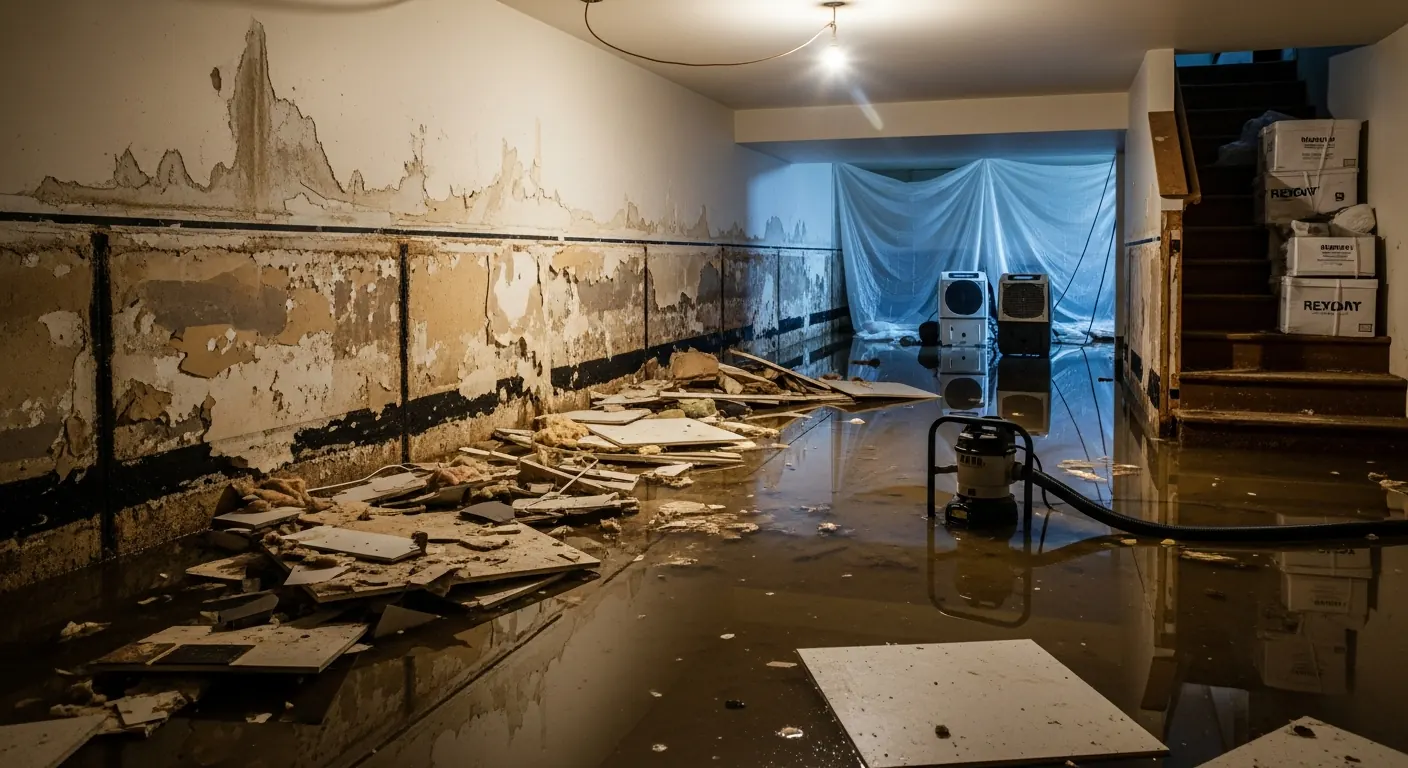
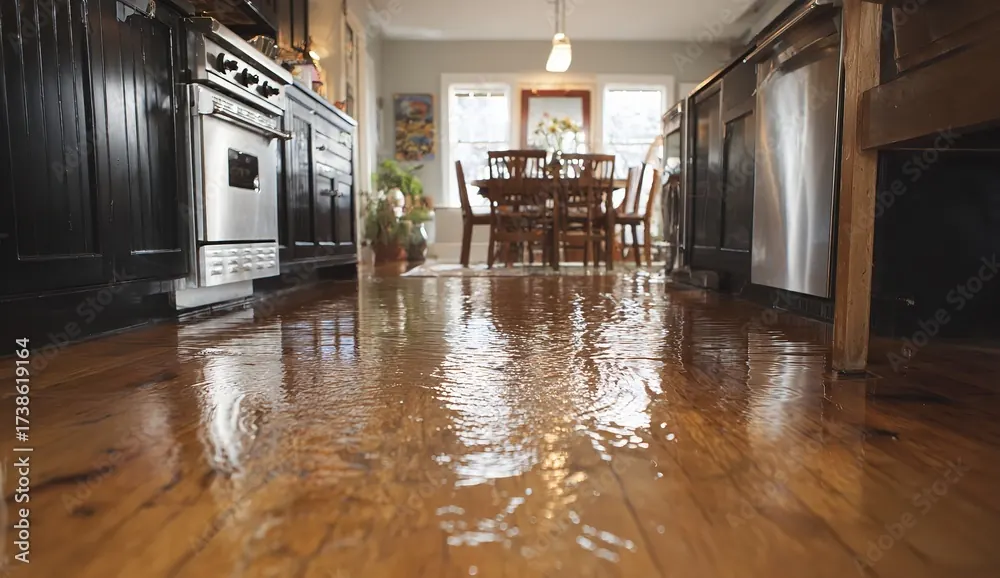
During spring, heavy downpours can hit fast, drains can back up, and flat commercial roofs can collect standing water. Add in everyday threats like leaking pipes or failing HVAC drains, and it is easy to see how water can spread through offices, shops, warehouses, and restaurants before anyone notices. That water can damage walls, flooring, inventory, and equipment, and it can also weaken structural materials over time.
Professional commercial water damage restoration in San Antonio helps keep that damage from getting worse. With the right response, it is possible to reduce downtime, keep people safe, and protect the long-term value of your property.
Top Water Damage Threats Facing San Antonio Businesses
For local businesses, water damage does not come from just one source. It usually shows up in a few main ways.
Weather-related risks around spring include:
- Heavy rains that overload flat roofs and cause ponding
- Flash floods that push water into parking lots, loading docks, and entryways
- Hail that can crack roofing materials and open a path for leaks
Inside the building, system failures can lead to serious damage, such as:
- Burst or leaking pipes inside walls or ceilings
- Older plumbing that gives out under pressure changes
- Failed water heaters in back rooms or mechanical areas
- Sprinkler system problems that soak ceilings, carpets, and stock
- HVAC condensate line leaks that drip into ceilings and wall cavities
There are also slow, hidden moisture issues that sneak up over time:
- Small roof leaks that only show as stains months later
- Failing window or door seals that allow water to seep in during storms
- Slab leaks that spread under flooring and into walls
- Moisture inside insulation and electrical chases that is hard-to-see
These hidden problems are especially risky, because they often stay wet longer and can lead to mold growth and bigger repairs.
Proven Prevention Strategies for Commercial Properties
While no one can control the weather, we can lower the chance of serious water damage with steady care and smart planning.
Start with exterior and roof maintenance:
- Schedule regular roof inspections, especially before storm seasons
- Keep gutters, scuppers, and downspouts clear so water can drain
- Seal roof penetrations around vents, pipes, and rooftop units
- Make sure the ground around the building slopes away from the foundation
Inside the building, focus on plumbing and mechanical systems:
- Have pipes, valves, and connections checked on a set schedule
- Inspect water heaters, restrooms, and commercial kitchens for early signs of leaks
- Add shut-off valves in key areas so water can be stopped quickly
- Use leak detectors and backflow preventers in higher-risk zones
The layout and materials inside your facility matter too. You can lower risk by:
- Using moisture-resistant flooring and wall finishes in restrooms, kitchens, and entry areas
- Keeping IT rooms, server closets, and electrical panels away from water sources when possible
- Raising inventory and equipment off the floor on racks or platforms
- Avoiding storage directly under older pipes or under known roof problem areas
These steps do not remove all risk, but they can limit the spread of water and give you more time to act.
How Professional Restoration Minimizes Business Disruption
When water gets into a commercial space, speed matters. The longer water sits, the more it soaks into walls, subfloors, ceiling tiles, and contents. That extra moisture can lead to warping, peeling, strong odors, and mold growth, and it can turn a minor event into a major shutdown.
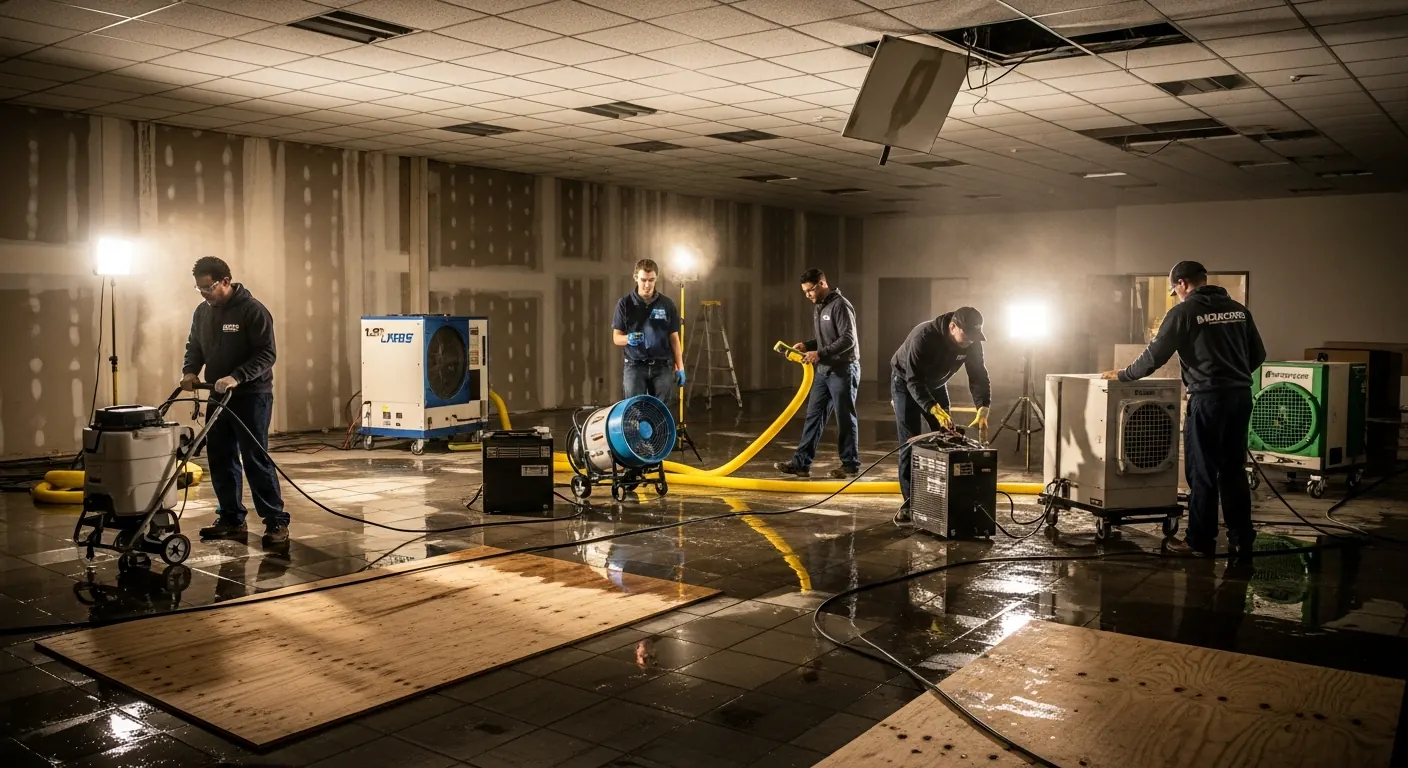
A key part of commercial water damage restoration in San Antonio is rapid emergency response, day or night. Professional teams can:
- Arrive quickly and start extracting standing water
- Identify safety hazards like electrical risks or slipping areas
- Protect unaffected areas so the damage does not spread
Once the water is removed, advanced drying and dehumidification come next. Industrial extractors, air movers, and dehumidifiers are used along with moisture meters to track hidden damp spots. This helps make sure:
- Walls and cavities are truly dry, not just the surface
- Subflooring and structural components are checked and treated
- Ceiling spaces, insulation, and hard-to-reach areas are addressed
Good restoration on a commercial site is also about planning. IICRC-certified technicians can work with property managers and insurers to:
- Set up phased work so parts of the building can reopen sooner
- Schedule noisy or intrusive tasks outside of peak business hours
- Keep clear records to support claims and future maintenance
That kind of coordination helps reduce lost time and stress for both staff and customers.
Mold, Sewage, and Health Risks in Commercial Settings
Water problems in San Antonio do not just damage buildings. In our humid climate, they can quickly turn into mold and air quality issues, especially in busy places like offices, retail spaces, schools, restaurants, and healthcare buildings.
After a water intrusion, mold can begin to appear if materials stay damp. Once it starts, it can spread across drywall, carpet backing, ceiling tiles, and furniture. In a commercial setting, this raises concerns about:
- Indoor air quality for employees and customers
- Complaints about odors, headaches, or irritation
- Damage to finishes, furnishings, and stock
Sewage and other contaminated water are even more serious. Backed-up drains, toilets, or storm surges can bring gray or black water into your space. This kind of water may carry:
- Bacteria and other pathogens
- Strong, lingering odors
- Contaminants that require specialized cleaning and disinfection
For a business, this also ties directly into safety rules, health codes, and liability. There are OSHA and local health expectations around how work areas are kept, how exposure is controlled, and how cleanup is handled. Professional remediation with clear documentation can help show that the problem was handled correctly, which can lower legal and insurance risk.
Building a Commercial Water Emergency Response Plan
A written water emergency response plan can make the difference between a short interruption and a long shutdown. When everyone knows what to do, they can act faster and with more confidence.
Start with a site assessment and risk map:
- Mark basements, mechanical rooms, and server rooms that are at higher risk
- Note loading docks, entrances, and low spots where water can collect
- List critical equipment, inventory, and records that need top priority protection
Then set up clear protocols and communication steps so staff are not guessing during an event. Your plan should include:
- Simple instructions on how to shut off water in different zones
- A clear chain of who to notify first in an emergency
- Steps for safely evacuating or isolating affected areas
- Guidance on what staff should never do, like entering standing water near electrical panels
Finally, many businesses choose to partner with a local restoration expert ahead of time. With a pre-arranged relationship, you can have:
- Priority response during larger regional events
- Property details already on file for faster decisions
- A team that already understands your layout, operations, and key concerns
For businesses across the San Antonio area, planning now and building the right partnerships can greatly reduce the impact of water damage when it happens.
Get Started With Your Project Today
If your building has water damage, our team at San Antonio Water Damage & Restoration is ready to respond quickly and get your operations back on track. Learn how our commercial water damage restoration in San Antonio can limit downtime, protect your property, and help you avoid long-term issues. Reach out today to discuss your situation, schedule service, or request an assessment through our contact us page.