Emergency Water Removal in San Antonio Apartment Buildings
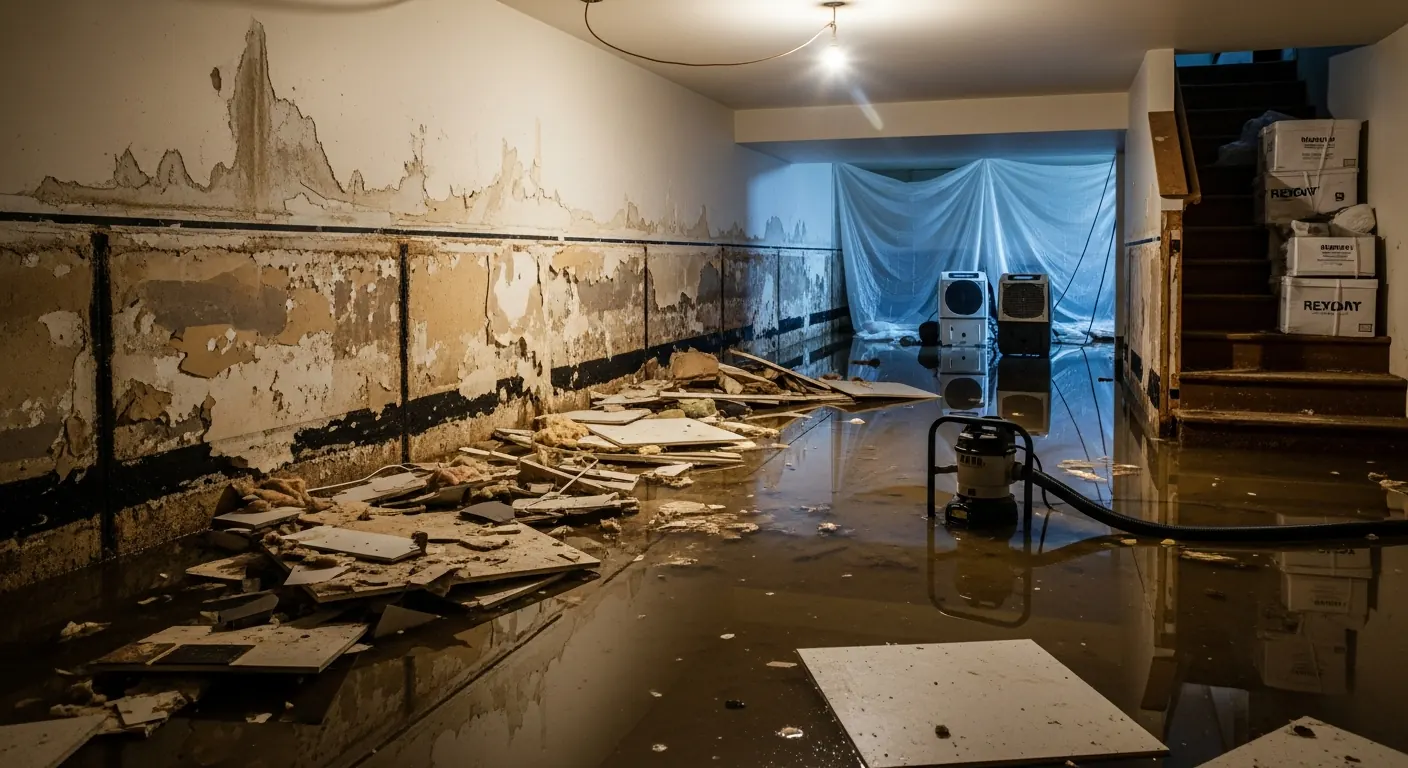
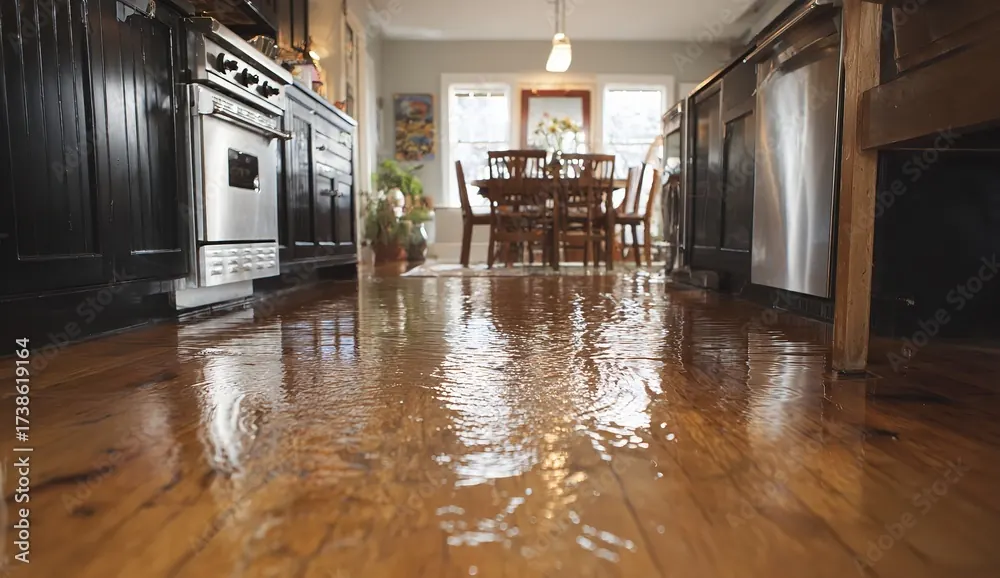
Water in the wrong place can turn a normal day in your apartment community into a true emergency. A broken supply line in an upper unit, an AC leak in a hallway, or storm-water slipping in through a damaged roof can spread fast and catch everyone off guard, especially on a weekend or late at night. In just a short time, floors, walls, ceilings, hallways, and even elevators can be affected.
For property managers, owners, and HOAs, there is a lot on the line. You are responsible for tenant safety, keeping homes livable, and protecting the building itself. Quick, professional emergency water removal in San Antonio apartments can limit how far the damage spreads, cut down on repair time, and help your community get back to normal sooner.
Why Apartments Are Extra Vulnerable to Water Emergencies
Apartments face special risks compared to single homes. In a multi-story building, water rarely stays in one place. When a pipe bursts or a tub overflows in an upper unit, gravity takes over and water can move through ceilings and light fixtures, shared walls between units, hallways and stairwells, and utility chases and elevator shafts.
Common sources of water loss in San Antonio apartments include:
- Aging or poorly maintained plumbing lines
- AC condensate line failures during hot months
- Leaking water heaters or dishwashers
- Roof or balcony damage after strong spring storms
- Sewer backups in lower units or parking areas
On top of that, apartments share a lot of systems. Stacked plumbing, shared HVAC, and fire sprinkler lines can spread water quickly. One problem on one floor can turn into a multi-unit event that touches many families and common spaces. Dealing with that kind of situation takes a coordinated, professional response, not just a mop and a wet vacuum.
First Hour Game Plan for Property Managers and Owners
The first hour after you find water is the most stressful, but what you do in that time can make a huge difference. Safety comes first before anyone steps into a wet area. Focus on basic life safety checks:
- Watch for sagging ceilings that could collapse
- Keep people away from slippery stairwells and wet tile
- Be careful around electrical panels, outlets, and elevators
- Shut off power or water to affected areas if it can be done safely
Next, get your communication moving. Notify affected residents and give simple safety instructions, then take clear photos and short videos of visible damage. As you do that, note which units and common spaces are involved and contact your insurance carrier while details are fresh in your mind.
Then bring in help right away. Calling an IICRC-certified team for emergency water removal in San Antonio within that first hour helps:
- Start heavy extraction before water seeps deeper
- Stabilize humidity and temperature to slow damage
- Reduce the chance of secondary problems like mold and strong odors
💡 Pro Tip: Fast action keeps a bad day from becoming a long-term building issue.
Professional Water Removal Process for San Antonio Apartments
When a trained team arrives, property managers and residents should know what to expect. The first step is a fast but careful assessment to identify where the water started and how far it has spread, which units, hallways, and common areas are at highest risk, and which ceiling, wall, and floor materials may be holding hidden moisture. We often use moisture meters and other tools to map out how far water has traveled, even where you cannot see it. From there, we set clear priorities so the most-at-risk areas get attention first.
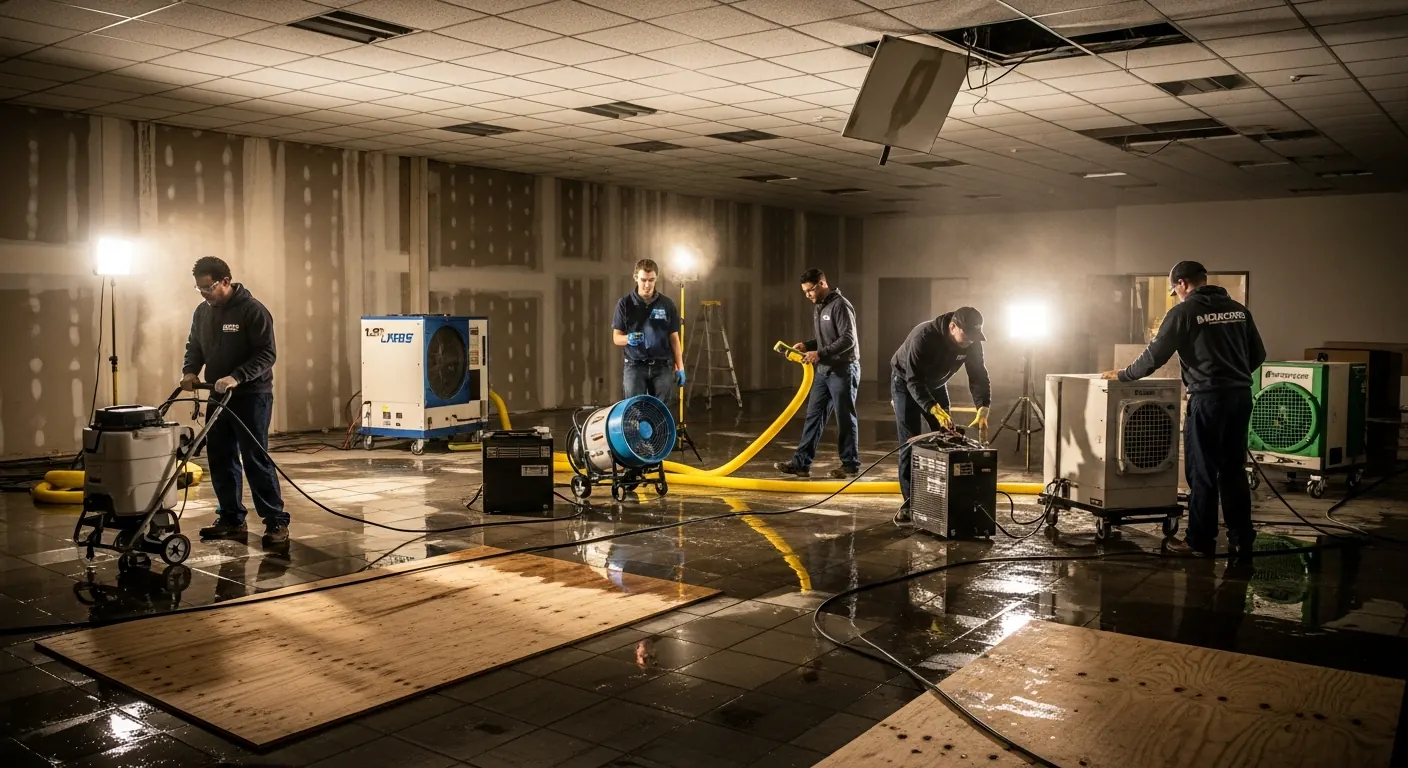
Specialized equipment helps us work effectively in apartment settings. Typical tools can include:
- High-volume extraction units for soaked carpets and long hallways
- Low-profile air movers that fit in tight spaces and under cabinets
- Dehumidifiers sized for multi-unit corridors and large rooms
- Plastic containment barriers to isolate affected zones and control airflow
A structured mitigation plan protects both structure and contents. This often includes drying and saving cabinets, baseboards, and doors when possible, managing elevator lobbies and entry areas to keep them safe and open, coordinating unit access with management so residents are informed, and adjusting drying setups around daily building routines whenever possible. The goal is to remove water, dry the building correctly, and reduce disruption for residents at the same time.
Preventing Mold, Structural Issues, and Tenant Turnover
In a humid city like San Antonio, the clock for mold growth starts very quickly after a water event. When spring shifts toward hotter, wetter months, warm indoor air and trapped moisture create perfect conditions for mold to show up on drywall and paint, carpet backing and padding, closets and behind furniture, and inside wall cavities and under flooring.
If water is not fully removed and materials are not dried the right way, moisture can hide inside walls, subfloors, and ceilings. Over time, that trapped moisture can lead to warped or buckled flooring, peeling paint and failing texture, persistent musty odors that are hard to track down, and weak spots in drywall and trim.
These issues are not just building problems, they affect resident satisfaction and long-term occupancy. Tenants notice stains, smells, and loud ongoing repairs. When they feel their home is not being protected, they start to look elsewhere. A fast, professional response after a water loss helps protect your reputation, reduce complaints, and keep good residents in place.
Building a 24/7 Emergency Water Plan Before You Need It
The best time to plan for a water emergency is long before the first drop hits the floor. A simple written plan can make those first stressful minutes calmer and more controlled. Helpful items to include:
- Maps that show main water shutoff valves and panel locations
- A short list of internal contacts and backup decision makers
- Clear steps for how and when to notify residents
- Simple roles for staff, like who documents damage and who talks with vendors
You also want a trusted partner for emergency water removal in San Antonio lined up ahead of time. When you are choosing that partner, it helps to look at IICRC certification and ongoing training, real 24/7 response (including nights, weekends, and holidays), and experience working in multi-unit and multi-story properties.
As late spring moves into the hotter months, it is also smart to take seasonal steps, such as:
- Inspecting roofs, balconies, and exterior doors for weak points
- Cleaning gutters and drains so water flows away from the building
- Servicing AC systems and checking condensate lines
- Reviewing lease language about emergency entry and repairs
💡 Pro Tip: Having this groundwork in place turns a chaotic situation into a planned response, which protects your residents, your staff, and your property.
Protect Your Property With Fast, Professional Help Now
When water damage hits, every minute counts, and our team at San Antonio Water Damage & Restoration is ready to respond quickly. If you need reliable emergency water removal in San Antonio, we have the equipment and experience to help prevent further damage. Reach out to our specialists anytime to get a clear plan, fast action, and respectful service. To start your restoration today, simply contact us.