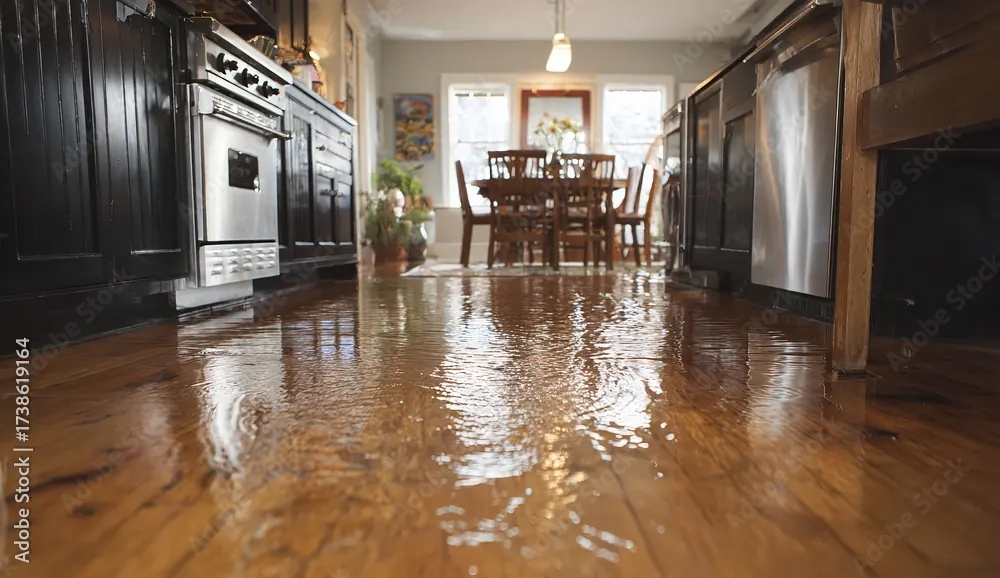
Flash Flooding in San Antonio: What Homeowners Need to Know About Water Damage

San Antonio, TX is one of the most flood-prone major cities in the United States. The city sits in the heart of Texas's flash flood alley — a geographic region stretching from Del Rio to Austin that receives intense, localized rainfall that drains rapidly over limestone terrain into urban creek systems.
Why San Antonio Floods So Severely
- Limestone terrain (Edwards Plateau) — Thin limestone soils absorb water slowly, causing rapid surface runoff into the city's creek systems.
- Convergence of creek systems — The San Antonio River and its tributaries (Olmos, San Pedro, Salado, Leon, Culebra Creeks) converge within the city, creating dangerous compounding flood conditions.
- Urban impervious cover — Decades of development have replaced natural flood-absorbing land with roads, parking lots, and buildings.
- Aging storm drainage infrastructure — Many San Antonio storm drains were designed for much smaller storm events than the city regularly experiences.
- Geographic position in flash flood alley — The Balcones Escarpment forces moist Gulf air upward, triggering intense thunderstorms that can drop 4–8 inches of rain in hours.
San Antonio's Highest-Risk Flood Areas
- Olmos Park / Alamo Heights — Olmos Creek corridor; prone to rapid flooding.
- King William Historic District — San Antonio River floodplain.
- Southtown / Roosevelt Avenue — Low-lying areas near San Antonio River.
- Leon Valley — Leon Creek flooding.
- Helotes — Tributary flooding from Hill Country runoff.
- West Side (Culebra Road corridor) — Culebra Creek flooding.
- Northeast San Antonio — Salado Creek corridor.
💡 Pro Tip: To check your specific property's flood zone designation, visit the FEMA Flood Map Service Center at msc.fema.gov and enter your Bexar County address. Homeowners in high-risk zones should carry NFIP flood insurance — standard homeowners policies do not cover rising water from external sources.
What to Do During a Flash Flood Warning in San Antonio
- Do not drive through flooded roadways — 'Turn Around, Don't Drown.' Just 12 inches of moving water can sweep a vehicle off the road.
- Move valuables to upper floors immediately — electronics, documents, family photos, and irreplaceable items.
- Shut off electricity at the main breaker if rising water is approaching electrical outlets.
- Move your vehicles to higher ground if time permits.
- Do not enter floodwater — San Antonio floodwater often contains raw sewage, chemical runoff, and debris.
- Monitor Bexar County's flood information at bcfw.org for real-time creek gauge readings.
After the Flood: What to Do When the Water Recedes
- Document everything before touching anything — Photograph and video all damage thoroughly for insurance purposes.
- Do not use electricity until an electrician has confirmed the system is safe.
- Assume the water was contaminated — San Antonio floodwater almost always contains sewage and chemical contaminants.
- Call a professional restoration company immediately — San Antonio Water Damage & Restoration at (210) 646-4379 provides 24/7 emergency response.
- Open windows and doors to begin ventilating if it is safe to do so.
- Contact your insurance company — File both a homeowners claim and a flood insurance claim (NFIP) if applicable.
- Do not delay — Mold begins growing within 24–48 hours in San Antonio's climate.
What Flood Damage Restoration Involves
- Water extraction — Industrial pumps and extractors remove standing water.
- Category 3 decontamination — Floodwater is classified as black water due to sewage contamination; all affected materials must be treated accordingly.
- Structural drying — Commercial dehumidifiers and air movers dry structural materials over 3–7 days.
- Material removal — Saturated drywall, insulation, and flooring that cannot be salvaged must be removed.
- Antimicrobial treatment — EPA-registered biocides applied to all affected structural surfaces.
- Mold prevention and testing — Air quality sampling confirms successful remediation.
- Full rebuild — Drywall, insulation, flooring, cabinetry, and painting to restore the home to pre-loss condition.
Flood Insurance vs. Homeowners Insurance — What Covers What
- Rising water from creeks or rain: Homeowners ❌ — NFIP Flood ✅
- Wind-driven rain through roof: Homeowners ✅ — NFIP Flood ❌
- Burst pipe from storm: Homeowners ✅ — NFIP Flood ❌
- Sewage backup from flooding: Homeowners ❌ Usually not — NFIP Flood ✅
- Additional living expenses (ALE): Homeowners ✅ Most policies — NFIP Flood ❌
Frequently Asked Questions
Why does San Antonio flood so often?
San Antonio sits in Texas's flash flood alley, where limestone terrain causes rapid surface runoff into urban creek systems. The Olmos, San Pedro, Leon, and Salado Creeks converge within the city, compounding flood severity during intense rain events.
What should I do after my San Antonio home floods?
Document all damage before touching anything, assume floodwater is contaminated, call a professional restoration company immediately, and contact both your homeowners insurance and flood insurance carriers within 24 hours.
Which San Antonio neighborhoods flood most often?
Highest-risk areas include Alamo Heights (Olmos Creek), King William (San Antonio River), Leon Valley (Leon Creek), Helotes, and the West Side Culebra Road corridor. Check FEMA flood maps at msc.fema.gov for your specific address.
How long does it take to restore a flooded home in San Antonio?
Water extraction takes hours. Structural drying takes 3–7 days. Complete restoration including repairs and rebuild typically takes 3–8 weeks depending on severity, availability of materials, and insurance approval timelines.