Understanding Flood Damage Restoration in San Antonio
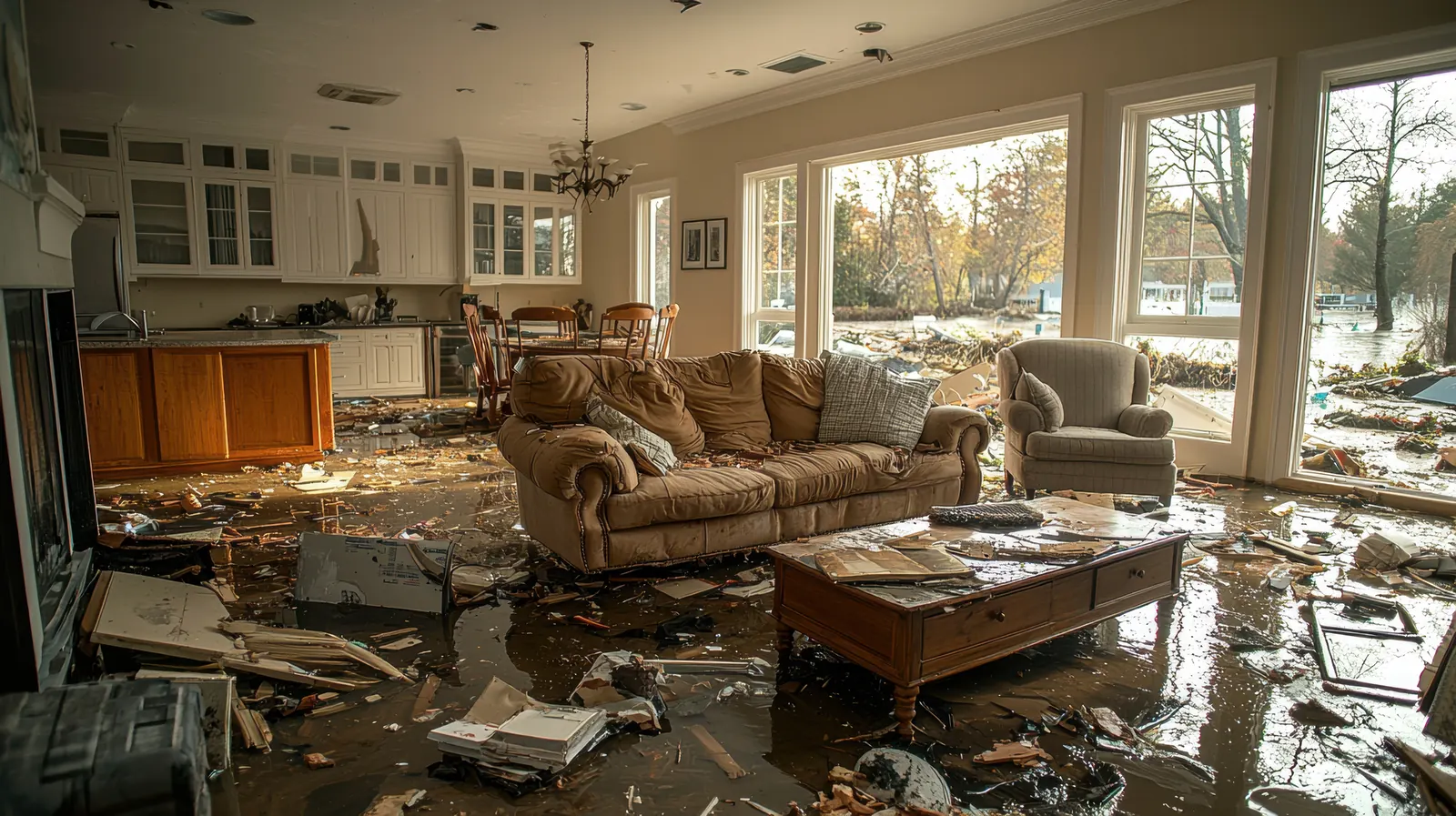
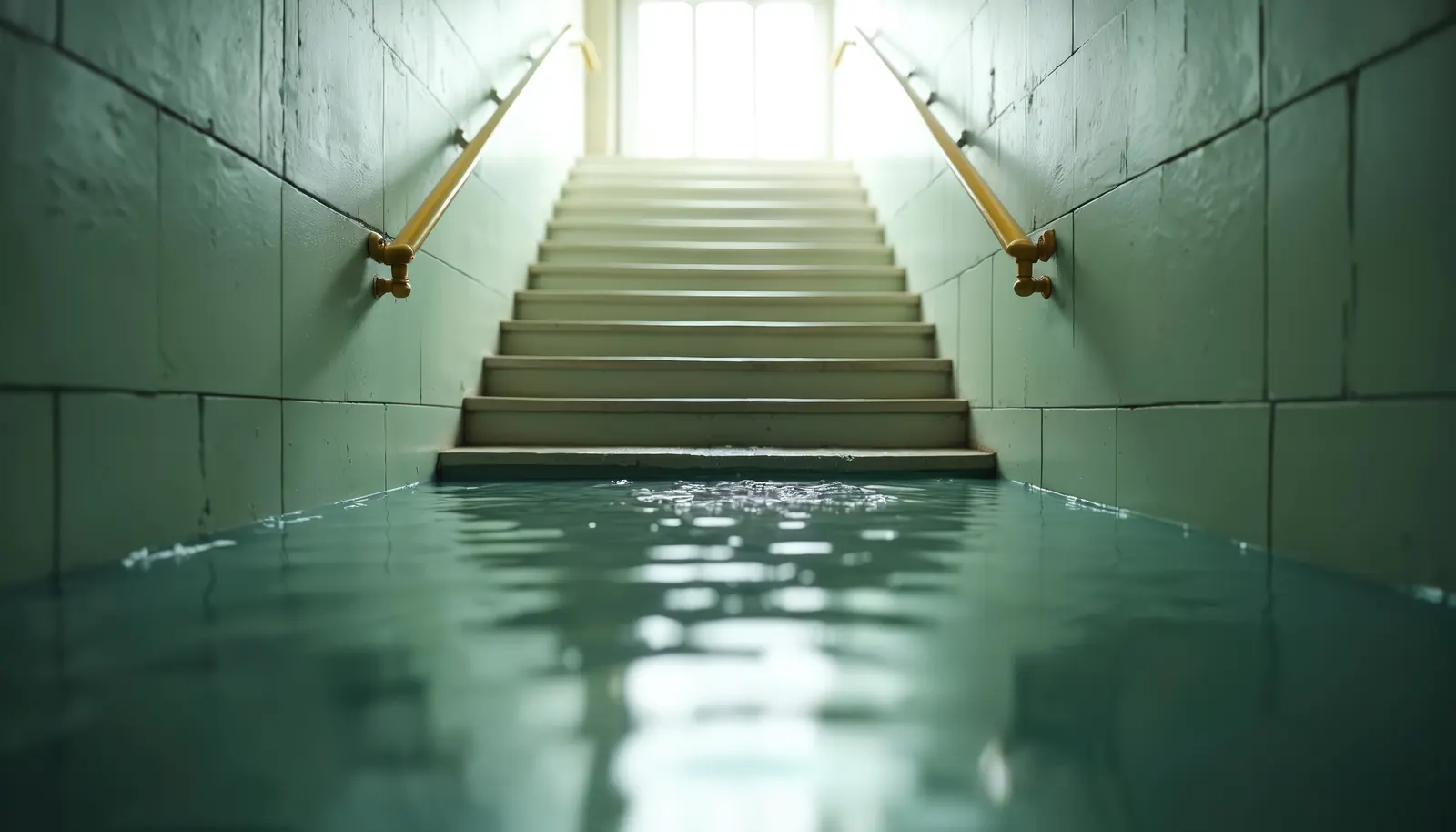
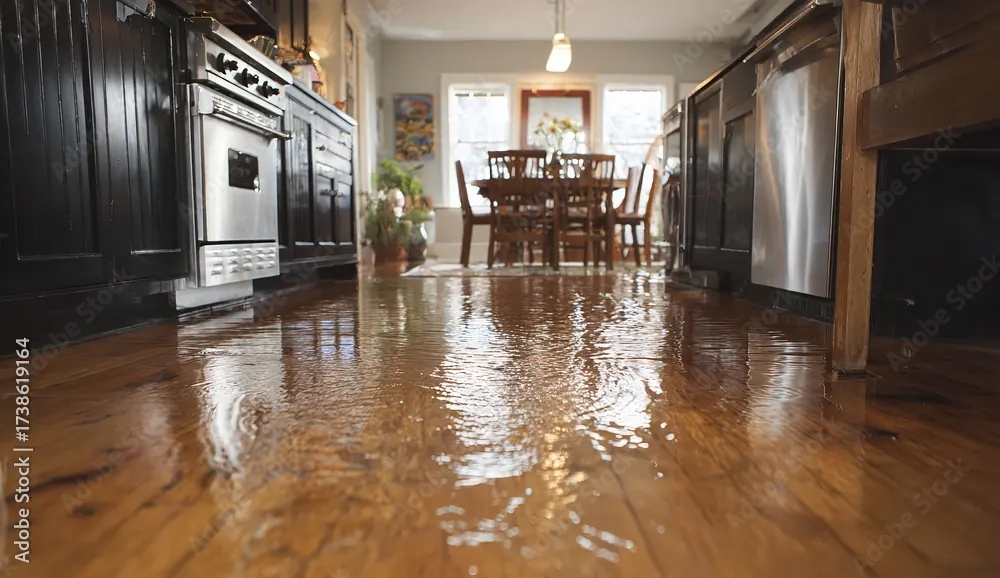
Floodwater in a home or business is not just a mess. It is an emergency that affects safety, health, and long-term property value. In San Antonio, our mix of flash flooding, aging infrastructure, and soil that shifts under foundations means water can move quickly into places you cannot see and quietly damage the structure. Once water gets into walls, flooring, and subfloors, the clock starts ticking.
The first 24 to 48 hours after flooding usually decide what can be saved and what has to be torn out. Drywall, insulation, flooring, and built-in cabinets all react differently to water, especially if the source is dirty floodwater rather than a clean supply line. Fast professional flood damage restoration in San Antonio is about more than drying carpets. It is about stabilizing the building, protecting the people inside, and preventing ongoing problems that show up weeks or months later.
How San Antonio's Climate Makes Flooding More Dangerous
San Antonio often sees sudden heavy storms that send large amounts of water into streets, parking lots, and low-lying areas in a short period of time. When drainage systems cannot keep up, water backs up into homes, commercial buildings, and slab foundations. Our warm climate and high humidity make these situations more serious — moisture that lingers in building materials creates ideal conditions for mold growth, sometimes in as little as one to two days after a flood.
Some properties in and around the city are at higher risk than others. Common local risk factors include:
- Low-lying neighborhoods that collect runoff during strong storms
- Older plumbing and sewer lines that are more prone to backing up
- Flat or poorly drained roofs that allow water to pool and leak inside
- Buildings near creeks, drainage channels, or the San Antonio River
What Actually Happens During Professional Flood Cleanup
When our team responds to a flood, we start with safety. We check for active electrical hazards, structural concerns, and potential contamination from sewage or chemicals in the water. We document visible damage with notes and photos so you have a clear record for your insurance company. Then comes water extraction — we use truck-mounted and portable extraction equipment to remove standing water from floors, carpets, and other surfaces before setting up industrial dehumidifiers and air movers.
Hidden moisture is one of the biggest threats after a flood, so we take readings with moisture meters to check inside walls, under flooring, and in structural components. Cleaning and sanitizing follow, including:
- Removal and safe disposal of unsalvageable porous materials
- Application of antimicrobial and cleaning agents to affected surfaces
- Detailed cleaning of hard surfaces that can be disinfected
- Deodorizing methods to reduce lingering odors from floodwater
Hidden Dangers of Flood Damage Most Owners Miss
Floodwater that enters from outside rarely arrives clean. It can carry bacteria, sewage, pesticides, and other contaminants from roadways and yards. Structural damage is another hidden problem — subfloors can weaken, nails and fasteners can rust, and drywall that looked only slightly stained at first can slowly crumble or grow mold inside. Unseen moisture can linger:
- Inside wall cavities behind intact paint and trim
- Under laminate, vinyl, or wood flooring that seems dry on top
- In HVAC components and ductwork, spreading odors through the building
- Inside cabinets and built-ins that absorbed water from the floor
Choosing the Right Flood Restoration Partner in San Antonio
Look for a team with IICRC certification, since that signals training in current industry standards for water damage, mold, and restoration services. Around-the-clock emergency response is also important, because water damage does not keep business hours. Local experience is a major advantage — crews who know common building types, local flood patterns, and neighborhood drainage issues can often spot trouble areas faster. Before you agree to any work, ask:
- How quickly can you arrive and start extraction and drying?
- What types of drying and dehumidification equipment do you use?
- How will you document damage for my insurance claim?
- Do you handle water, mold, and structural drying as one coordinated process?
At SA Water Damage & Restoration, our team is IICRC certified, locally based, and experienced with both residential and commercial structures in and around San Antonio.
Preventive Steps to Reduce Future Flood Damage
While no property can be completely flood-proof, there is a lot you can do to lower your risk. Outside the building, improving drainage and keeping water away from the foundation can make a big difference. For properties in flood-prone spots, additional measures worth considering include:
- Installing sump pumps with battery backup in areas that collect water
- Adding backflow preventers to help protect against sewer backups
- Using water-resistant finishes in lower levels and flood-prone rooms
- Elevating major appliances and critical mechanical systems where possible
- Installing water leak detection devices with alarms
💡 Pro Tip: Know your shut-off locations for water, gas, and power before a flood hits. A simple emergency plan — including key phone numbers and what to move first — reduces stress when every minute counts.
If your home or business has been hit by flooding, San Antonio Water Damage & Restoration is ready to help you recover quickly and safely. We carefully assess the damage, remove standing water, and dry and clean affected areas to prevent long-term issues. Call (210) 646-4379 anytime — we respond 24/7 within 45 minutes.