San Antonio Water Damage: How Claims, Codes, and Inspections Drive Repair
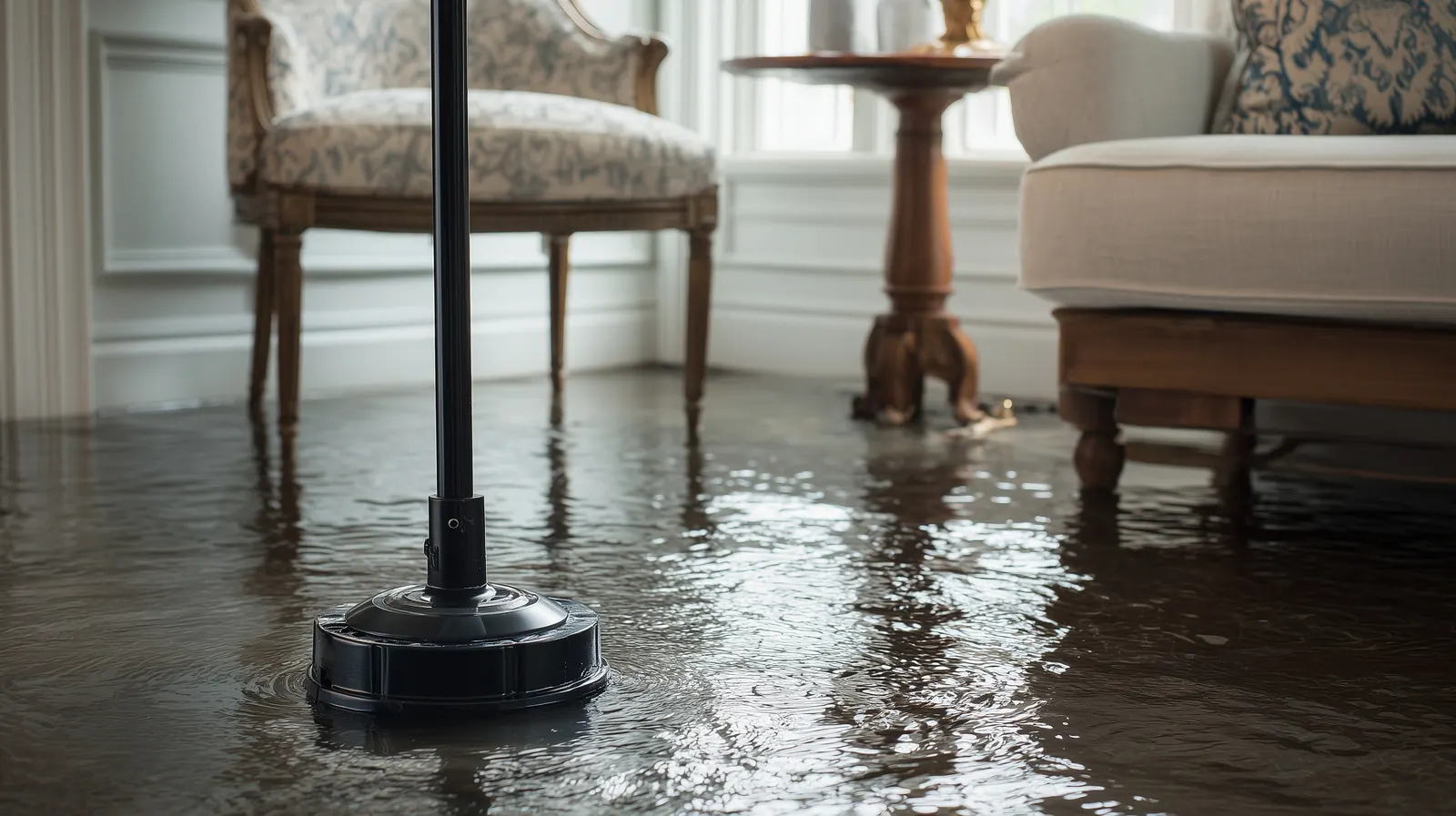
Water can soak a home or business in just a few hours, but the delays come later. A strong spring storm rolls through, a roof leaks, or a slab line breaks, and suddenly there is water in walls, flooring, and ceilings. The cleanup team can usually start drying right away. What slows everything down is insurance paperwork, permits, and inspections.
That is why understanding how insurance, city codes, and inspections work together is just as important as pulling out wet carpet. Whether your place gets a simple repair or a full rebuild often comes down to what your policy will pay, what San Antonio requires by code, and what the inspector is willing to sign off on. As a local restoration team, we see how small choices on day one can either speed things up or drag a project out for months.
How Insurance Decides Between Repair and Rebuild
When water damage reconstruction in San Antonio is needed, the first big decision usually happens with your insurance company. The type of policy you have can change what is repaired, what is rebuilt, and what comes out of your pocket.
Many property owners run into the difference between:
- Actual Cash Value (ACV) policies
- Replacement Cost policies
With ACV, the insurer looks at the age of your building materials, then pays for the value after wear and tear. That can mean cheaper finishes or fewer upgrades. Replacement Cost policies usually pay what it takes to put back similar quality materials at today's prices, within policy limits. But even then, code upgrades or special finishes are not always fully covered.
Another key piece is the scope of loss. This is the detailed list that shows:
- What was damaged
- What needs to be removed
- What needs to be dried
- What will be put back
Adjusters and restoration contractors each build estimates, often using line-item software. If those scopes do not match, you can end up with arguments over how much drywall to replace, how long drying should continue, or if structural parts need to be opened up. That can slow approvals and leave wet material sitting too long.
We also see common coverage traps that decide whether a full rebuild is even possible under the policy:
- Slow, long-term leaks that were not reported right away
- Mold limits that only pay for a small part of remediation
- Sewage backups that need special endorsements
- Flooding from outside water, which is usually a separate policy
If the event is not covered or is only partly covered, you might be forced to patch instead of rebuild, even when the damage is widespread. Getting an early, detailed look at the cause and the spread of moisture helps support your claim and reduce those coverage headaches.
San Antonio Codes That Can Force a Full Rebuild
Insurance is not the only voice in the room. San Antonio building codes can turn what looks like a basic repair into a major reconstruction. When enough of a structure is opened up, current codes often kick in and older methods are no longer allowed.
Repairs can trigger upgrades when:
- A large portion of a wall, roof, or floor is replaced
- Electrical or plumbing systems are exposed and altered
- Insulation or windows are changed in multiple rooms
At that point, you are not just putting things back the way they were. You may now need updated wiring, safer plumbing layouts, or better energy performance. For older homes, that can push costs and scope into rebuild territory.
Substantial damage from water also raises red flags about the structure itself. We see:
- Slab movement or cracks tied to leaks
- Framing that has started to rot or twist
- Roof decking that has stayed wet too long
Once key structural parts are compromised, a simple patch and paint approach is not safe or allowed. Parts of the property might have to be rebuilt so the inspector can sign off.
There are also special areas in and around San Antonio that have extra rules. Historic districts can have design and material limits. Flood-prone zones may have elevation or construction requirements. Some commercial areas need particular fire and safety features. All of those rules shape what can be rebuilt and how long approvals will take.
Permits, Inspections, and What the City Will Not Approve
When water damage reconstruction in San Antonio moves past basic cleanup, permits usually come into play. Many owners are surprised by how much work actually needs a permit.
Typical permit-required work includes:
- Structural repairs or wall re-framing
- Large sections of drywall and insulation replacement
- Electrical panel work or major circuit changes
- HVAC unit replacement and full ductwork changes
- Plumbing reroutes, new lines, or drain changes
Once permits are pulled, the project is tied to city inspections. Common checkpoints include:
- Framing and structural inspection before walls are closed
- Rough plumbing and electrical checks while lines are exposed
- Insulation inspection for walls and sometimes ceilings
- Final inspection to approve the finished space
If an inspection fails, the work must be fixed and rechecked. That shifts move-in dates, pushes back insurance payouts tied to completion, and can throw off contractor schedules.
Trying to skip permits or go DIY on complex work seems faster, but often creates much bigger problems. You can end up with:
- Insurance claims denied for unpermitted work
- Fines or orders to tear out and redo hidden repairs
- Inspection issues when you sell or refinance the property
💡 Pro Tip: Working with people who understand local permit rules helps keep repairs legal and safe, and keeps your project from getting stopped late in the game.
Timing Your Claim and Repairs Around San Antonio's Seasons
Spring in San Antonio brings more daylight and a busy storm pattern. Hail, heavy rain, and tropical systems can all cause leaks and flooding. The warm air and moisture are tough on wet buildings, so fast mitigation is not just nice to have, it is urgent.
Quick action matters because:
- Heat and humidity help mold grow on damp surfaces
- Wood framing can swell and warp if it stays wet
- Flooring and cabinets can separate or buckle
At the same time, storm season is also busy season for adjusters and city staff. That makes timing your claim and permits important. Expect that:
- Insurance adjuster visits may have longer wait times
- Permit offices can run behind when many properties are hit
- Inspections may need to be booked earlier than you think
For families, this affects how long you may need temporary housing. For businesses, it changes how long you might be closed or operating in a limited way. Planning around likely delays, instead of hoping they will not happen, helps you keep life moving while the building gets repaired or rebuilt.
Steps to Get Your Claim, Permits, and Rebuild Aligned
To keep your project from getting stuck between insurance and city rules, it helps to follow a clear order. The first step is usually to bring in a professional restoration team, then contact your insurance company, not the other way around. When we are on site early, we can document:
- Photos and videos of all affected areas
- Moisture readings in walls, floors, and ceilings
- Contents that are wet, damaged, or at risk
That early record supports your claim and shows why certain repairs or rebuild work are needed. It ties the cause of loss to the damage, which is a big factor in whether coverage applies.
Next, you want a reconstruction plan that matches both code and insurance needs. That means a line-item estimate that:
- Lists each area and material to be removed and replaced
- Notes where code upgrades are likely required
- Includes permit and inspection steps in the workflow
Sharing that kind of plan with your adjuster helps them see the full picture at once, instead of approving work in pieces. It also lets you spot gaps before walls are closed up.
Finally, choose a partner who understands local rules. A team that handles both emergency cleanup and rebuild in San Antonio can coordinate with adjusters, pull the right permits, meet inspectors on site, and keep your project moving from the first dry-out fan to the final coat of paint. That is how we approach every job at San Antonio Water Damage & Restoration, so your property is not just dried, but repaired or rebuilt the right way.
Get Started With Your Project Today
If your property has been hit by leaks, flooding, or hidden moisture, we are ready to help you recover quickly and safely. At San Antonio Water Damage & Restoration, our specialists provide start-to-finish water damage reconstruction in San Antonio tailored to your home or business. Reach out so we can inspect the damage, explain your options, and provide a clear, written plan for moving forward. To schedule service or ask a question, simply contact us today.