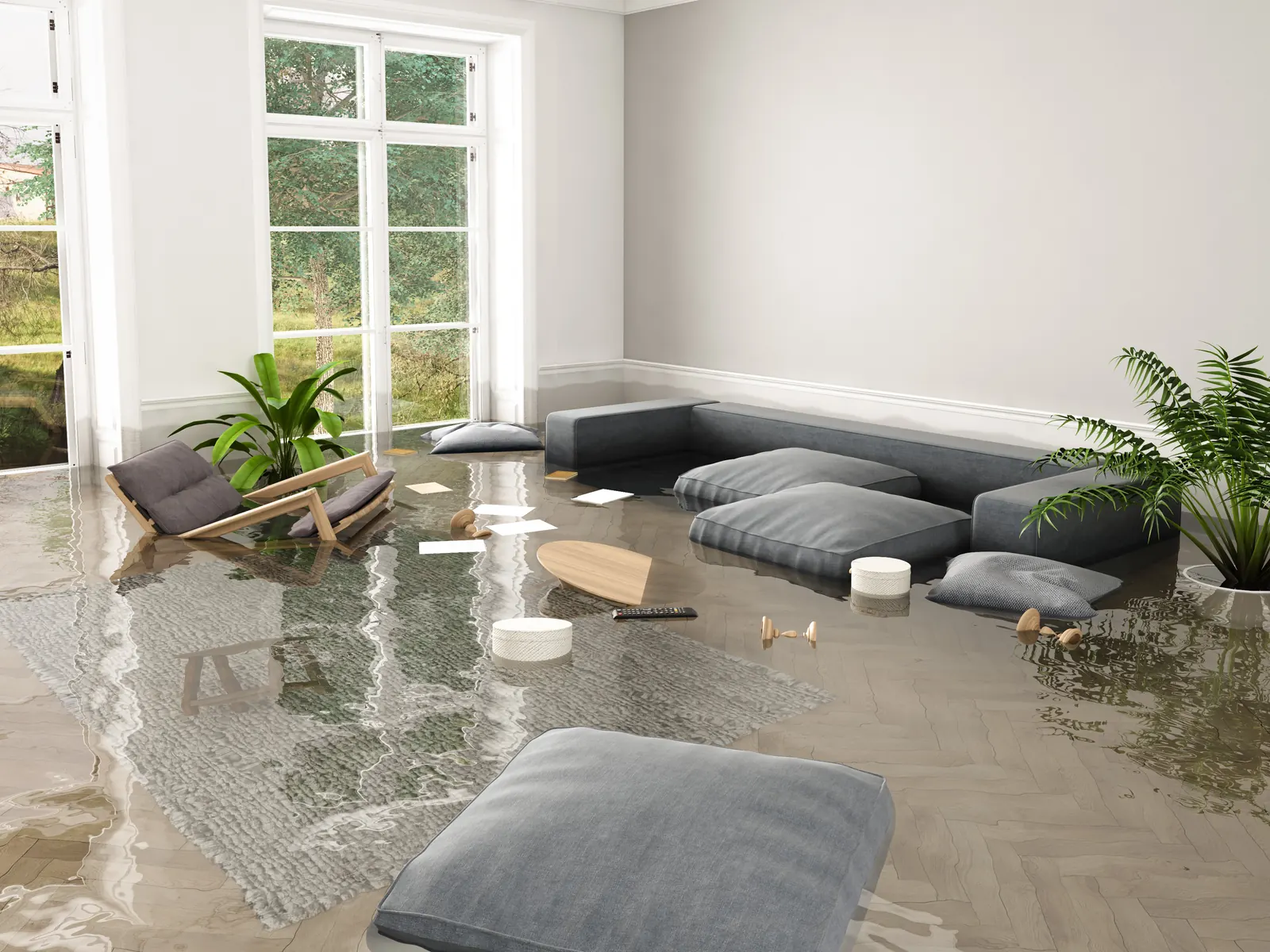
Water Damage vs. Flood Damage: What Texas Homeowners Need to Know
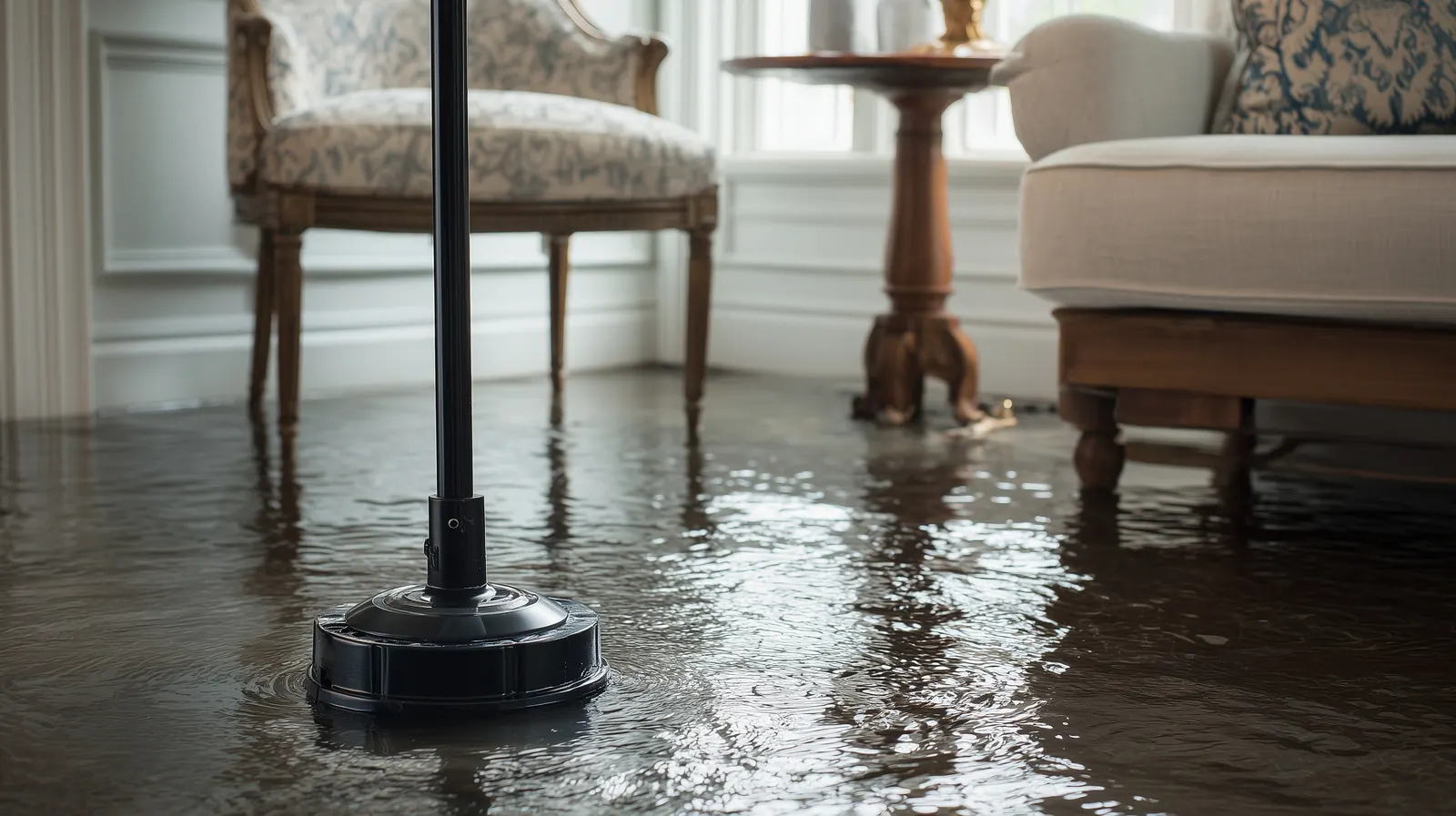
After a Texas storm soaks your home, you might assume your homeowners insurance will cover the damage. But the source of that water matters enormously when it comes to insurance. Water damage and flood damage are legally and contractually distinct, and the difference can mean the difference between a covered claim and a complete denial.
How Insurance Defines "Water Damage"
In insurance terminology, water damage refers to damage caused by water that originates from inside the structure or from the sky before it touches the ground. This is generally covered by standard homeowners insurance policies. Common examples include: a pipe that bursts inside your home, a washing machine that overflows, a water heater that fails and leaks, rain water entering through a roof damaged by a covered peril, and an HVAC unit that overflows its drain pan.
How Insurance Defines "Flood Damage"
Flood damage, by contrast, refers to damage caused by water that has been on the ground — rising water from an external source. This is specifically excluded from virtually all standard homeowners insurance policies and requires a separate flood insurance policy. Flood damage includes: rising water from rivers, creeks, and lakes, surface runoff after heavy rainfall that enters your home, storm surge from hurricanes, and overflow from storm drains or retention ponds.
💡 Pro Tip: Texas law and the National Flood Insurance Program (NFIP) are very specific: if water touched the ground before entering your home, it is flood damage — not water damage.
Why This Matters for San Antonio Homeowners
San Antonio and the Texas Hill Country are particularly vulnerable to flash flooding. The region sits in what meteorologists call "Flash Flood Alley," an area stretching from Del Rio to Austin where the unique topography funnels heavy rainfall into creeks and low-lying areas with devastating speed. The Guadalupe River, Medina River, and Olmos Creek have all caused significant flooding in recent years.
During Hurricane Harvey (2017), the freeze of 2021, and multiple severe storm events, thousands of Texas homeowners discovered too late that their standard policies provided no coverage for the type of damage their homes sustained.
What About Sewer Backup?
Sewer backup occupies a middle ground. When heavy rain overwhelms the municipal sewer system and sewage flows back into your home through drains, toilets, and sinks, this is typically excluded from both standard homeowners policies AND flood insurance policies. Sewer backup coverage must be added as a separate endorsement to your homeowners policy — it typically costs only $40–$100 per year and is well worth it in San Antonio's climate.
Flood Insurance in Texas: NFIP and Private Options
Flood insurance in Texas is available through the National Flood Insurance Program (NFIP), administered by FEMA, or through private insurers. NFIP coverage is limited to $250,000 for the structure and $100,000 for contents. If your home's value exceeds these limits, private flood insurance — which often offers higher limits and more comprehensive coverage — may be a better option.
- NFIP requires a 30-day waiting period before coverage begins (with some exceptions)
- Standard NFIP policies do not cover basement finishing, most personal property in basements, or additional living expenses
- Private flood insurance can be purchased year-round with shorter waiting periods
- Even homes not in high-risk flood zones can flood — and are eligible for coverage
How to Tell Which Coverage Applies After a Storm
After a storm event, an insurance adjuster will determine the source of the water to classify the damage. If your neighbor's flooding water entered your home, if storm surge reached your property, or if rising creek water came in through your doors — that's flood. If your roof was damaged by wind and rain came in directly, or if a pipe froze and burst — that's likely water damage under your standard policy. In many storm events, both types of damage occur simultaneously, requiring both claims.
Documentation Is Critical Regardless
Whether your damage is classified as water damage or flood damage, documentation is essential. Take extensive photos and video immediately after the event. Note the time the damage began and what storm or weather event was occurring. Keep records of any conversations with your insurer. And involve a professional restoration company early — their documentation and moisture readings are often what makes or breaks a claim.