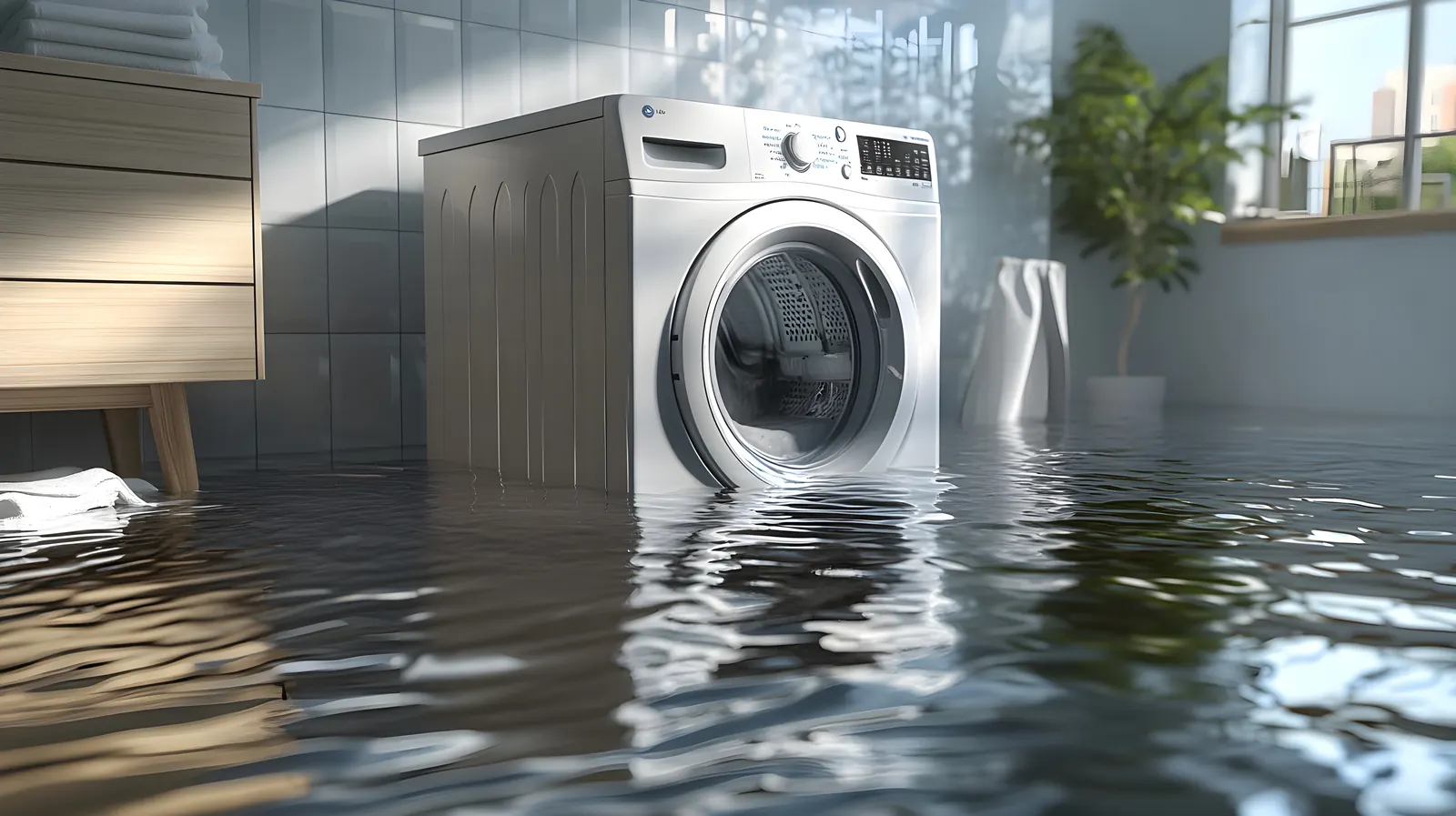
Why Your San Antonio Home Needs Structural Drying After Leaks
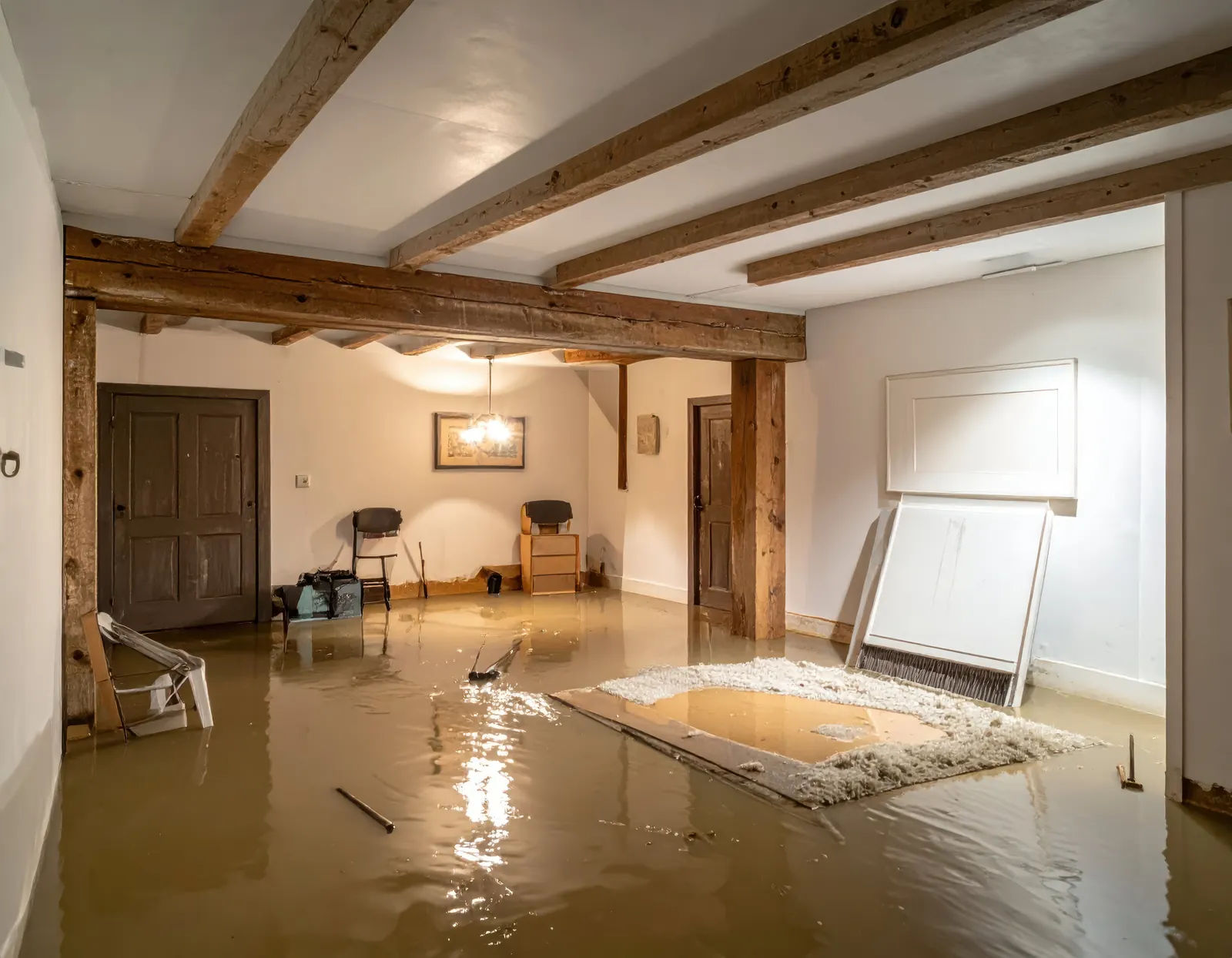
Water on the floor is easy to see. The real problem is the water you cannot see that slips into walls, under floors, and behind cabinets. Many San Antonio homeowners mop up a small leak and think it is handled, then weeks later they notice warped floors, stained drywall, or that stubborn musty smell that never quite goes away.
That hidden moisture is what slowly harms the structure of your home. It can sit inside wood, drywall, and insulation for a long time, quietly causing damage while everything looks dry on the surface. This is where structural drying comes in — a focused, professional way to pull moisture out of the bones of your house, not just off the top.
Why San Antonio's Climate Makes Leaks More Dangerous
San Antonio homes see their share of water issues. Around early spring, we get a mix of clear days and sudden storms. A quick thunderstorm can push rain under shingles, through old caulk around windows, or under doors and patios. Our weather and home styles make leaks more risky than many people think:
- Humid air slows natural drying inside walls and subfloors
- Temperature swings can cause building materials to expand and contract
- Slab foundations can hide slab leaks for a long time
- Stucco and brick exteriors can trap moisture inside wall spaces
Water from a small roof leak or an AC condensate line can travel much farther than the original wet spot. Localized flooding from heavy rain, a slab leak under tile, or an appliance overflow can leave moisture sitting in places air cannot reach. The outside might feel dry to the touch while the inside is still damp — in our warm, humid area, that trapped moisture is the perfect setup for mold growth and slow structural damage.
What Structural Drying Really Does for Your Home
Structural drying is more than putting a fan in the room and hoping for the best. It is a careful process using professional tools to pull water out of building materials like wood framing, subfloors, drywall, and insulation. Trained teams follow steps like detailed moisture mapping with meters and cameras, setting up high-velocity air movers, using industrial dehumidifiers, and checking progress daily to protect:
- Framing, which can weaken, twist, or start to rot if it stays damp
- Subfloors, which can swell, get spongy, or cause flooring to buckle
- Drywall, which can crumble, bubble, or support mold growth
- Insulation, which can stay wet inside walls and hold moisture like a sponge
- Cabinets and built-ins, especially where water seeps behind or underneath
💡 Pro Tip: Good structural drying often means less reconstruction later. When moisture is removed quickly and correctly, more of your original materials can be saved — and proper documentation helps keep the insurance process smoother.
The Hidden Risks of Skipping Structural Drying
It can be tempting to set out some fans and hope the area dries on its own. The trouble is, what you do not fix now usually shows up later as a bigger problem. Some structural risks include:
- Weakened or warped framing inside walls
- Sagging ceilings where wet drywall loses strength
- Buckled hardwood or laminate floors that lift and separate
- Subfloors that become uneven or soft underfoot
Moisture left inside walls and under floors can allow mold to form in as little as 24 to 48 hours. Even if you never see it, you might smell a musty odor or notice more sneezing, coughing, or eye irritation. Skipping proper drying can also cost more over time — repairs that might have been minor can turn into large reconstruction projects if framing, floors, and drywall fail. Common homeowner mistakes to avoid include:
- Relying only on shop vacs and household fans
- Shutting the door to a damp room to deal with it later
- Painting or priming over water stains without checking inside the wall
- Leaving wet carpets or rugs on top of damp subfloors
When to Call the Pros for Structural Drying in San Antonio
Not every small splash needs a full response, but many leaks need professional attention faster than people think. Look at what got wet, how long it stayed wet, and where the water went. You should bring in trained help when:
- Water sits on floors for more than a few hours
- Drywall, insulation, or ceilings feel soft, saggy, or swollen
- You see water dripping from overhead or pooling around light fixtures
- Sewage, dishwasher, or washing machine water is involved
- Water reaches near outlets, power strips, or electrical panels
A good rule of thumb: if you cannot clearly dry everything you can see and reach within about a day using basic household tools, you likely need professional structural drying. Safe first steps while you wait for help:
- Shut off the main water line if a plumbing leak is active
- Move small furniture or belongings out of the wet area
- Open doors to promote air movement if outdoor humidity is not higher than inside
If you are facing water damage, San Antonio Water Damage & Restoration is ready to help. Our specialized structural drying service prevents mold growth, reduces repair costs, and protects the integrity of your home. We respond quickly, use professional-grade equipment, and keep you informed at every step. Call (210) 646-4379 — available 24/7.