What Happens During Water Damage Reconstruction in San Antonio

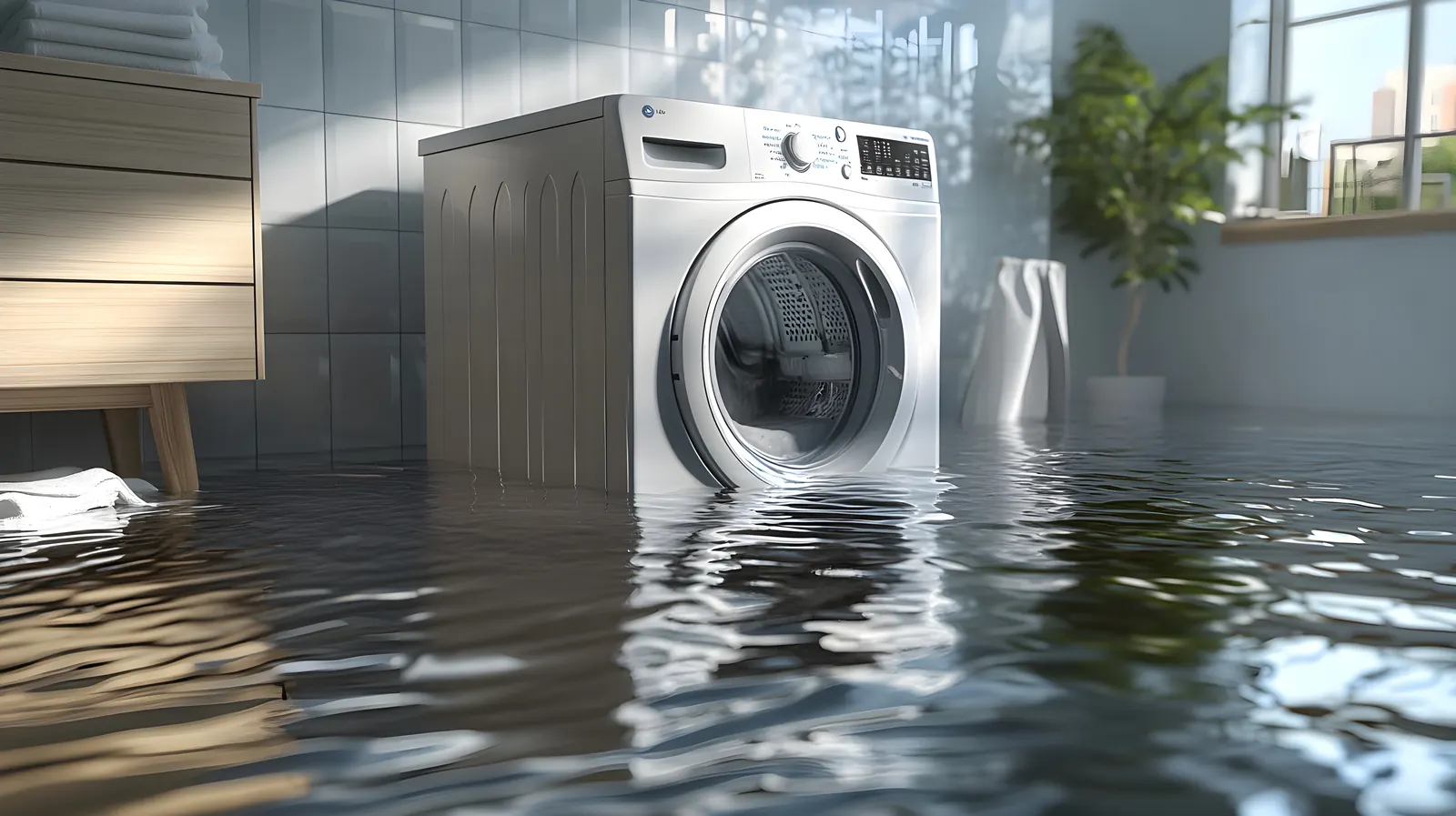
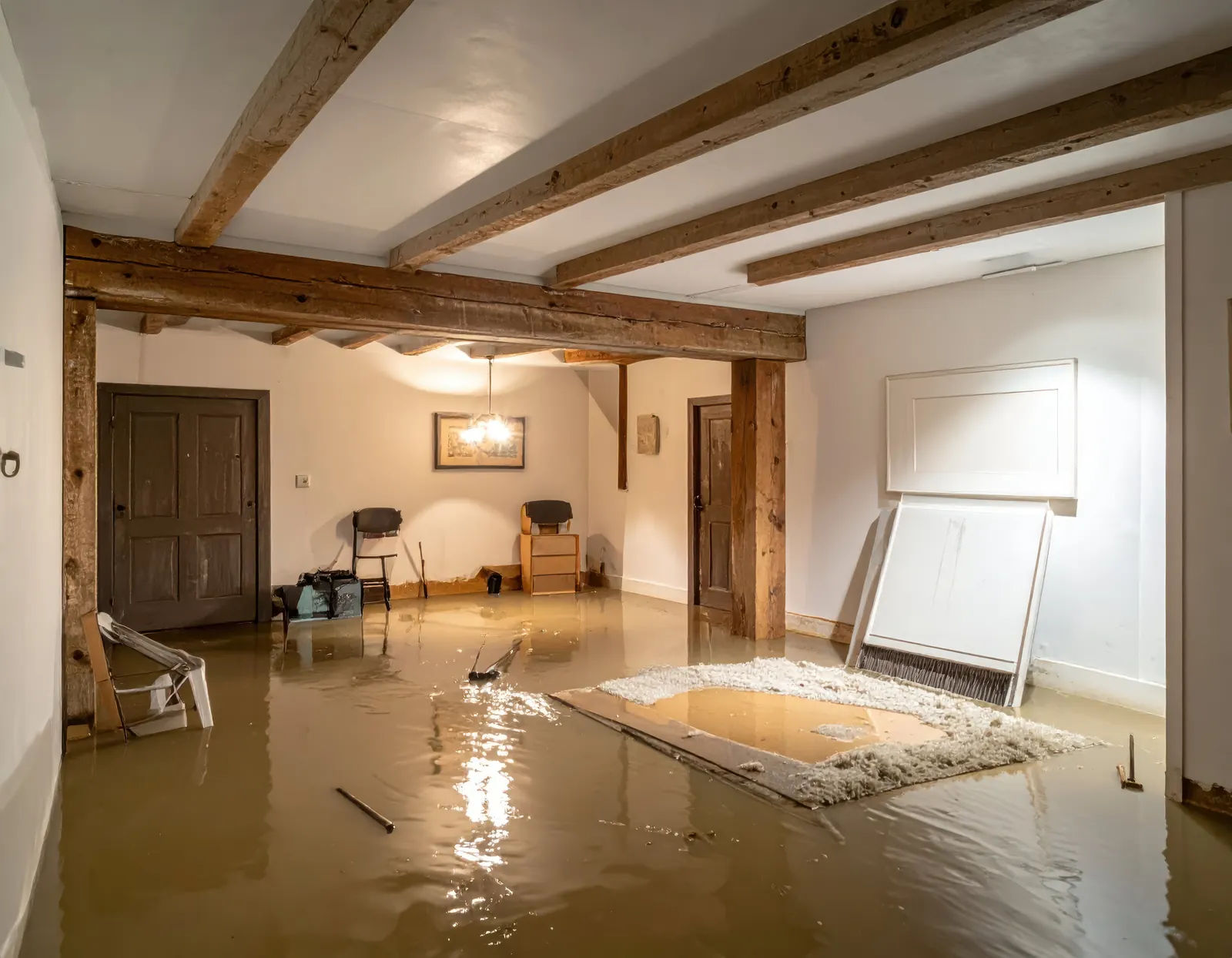
Water damage moves fast, especially in San Antonio. A small slab leak, a roof leak during a spring storm, or a sudden flood can spread through walls, floors, and cabinets before you even notice it. Knowing what actually happens during professional water damage reconstruction in San Antonio helps you stay calm, make smart choices, and protect your home.
We handle these situations every day, so we know the steps that work. From the first emergency call to the final coat of paint, there is a clear process that keeps you safe, dries your home, and brings everything back to normal — or even better than before.
Stop the Damage Fast: What Happens First After a Leak or Flood
When water is pouring in, minutes matter. During spring thunderstorm season and heavy rains, a delay can let water soak deeper into drywall, insulation, and wood. That can turn a small repair into a major reconstruction later. Quick action saves building materials and helps prevent mold.
On the first phone call, our team gathers key details so we know what we are walking into:
- Where the water is coming from
- How long it has been leaking or standing
- Which rooms and floors are affected
- Any signs of sewage, bad smells, or discoloration
- Safety concerns like sagging ceilings or tripped breakers
We give you an estimated arrival time and let you know what is safe to do while you wait, like shutting off the main water if you can reach it.
When we arrive on site, our priorities are simple: safety first, then stopping the damage. That usually includes:
- Turning off water at the source or main line if needed
- Cutting power to affected areas if there is a shock risk
- Checking ceilings for collapse risk and floors for weak spots
- Looking for signs of contaminated water from sewage or storm runoff
Once the scene is stable, we can start planning the full water damage reconstruction in San Antonio — instead of just reacting to the emergency.
Assessing the Full Extent of Water Damage
Water likes to hide. It travels under baseboards, inside walls, through ceiling cavities, and into cabinets and subfloors. A space can look dry on the surface while staying soaked underneath, especially after a roof leak during a spring storm.
Our inspection covers both what you can see and what you cannot. We usually:
- Walk through every affected room and nearby areas
- Take moisture readings using meters placed on walls, floors, and trim
- Use thermal imaging cameras to spot cooler, damp spots behind surfaces
- Check under and behind cabinets, vanities, and built-ins
We also classify the water source, because it affects everything from the safety gear our team wears to how much material must be removed:
- Clean water — from supply lines or certain appliance leaks
- Gray water — from showers, dishwashers, or laundry
- Black water — from sewage backups, stormwater, or heavily contaminated sources
During this stage, we document everything: photos of each affected area, detailed notes on damage and odors, and moisture readings logged by location and date. This information is used to build an itemized restoration plan with a projected timeline — and it supports your insurance claim.
How Extraction, Drying, and Mold Prevention Really Work
Once we know what we are dealing with, we start getting water out as fast as possible. Standing water is removed with high-powered equipment:
- Truck-mounted vacuums for large amounts of water
- Portable extractors for tight spaces and upstairs areas
- Weighted extraction tools that press water out of carpets and padding
- Specialty tools to pull water from under cabinets and along edges
After extraction, the real drying begins. We set up a system of air movers and commercial dehumidifiers so moisture can leave building materials and be pulled out of the air. To help that process, we may remove baseboards to let air reach behind walls, drill small access holes in hidden spaces that will later be patched, and lift or remove certain flooring materials so subfloors can dry completely.
Each day, we return to check moisture levels and adjust equipment until everything reaches a safe, dry range.
💡 Pro Tip: Because San Antonio stays warm and often humid, mold prevention is a priority from day one. We apply antimicrobial treatments to at-risk surfaces and push for rapid drying within the first 48 hours. The goal is not just to make things look dry — but to get them dry all the way through.
Demolition, Cleanup, and Preparing for Rebuild
Sometimes materials cannot be saved. If drywall, insulation, cabinets, or flooring are soaked for too long or touched by contaminated water, leaving them in place creates long-term risk. Controlled demolition removes what cannot safely stay and clears the way for proper reconstruction.
We use selective removal methods so we only take out what is necessary:
- Making straight flood cuts in drywall at a consistent height
- Pulling only the affected sections of insulation
- Removing sections of flooring while protecting what is dry and sound
- Building plastic containment walls to keep dust and spores contained
When sewage, heavy stormwater, or mold is involved, we may also use negative air machines with HEPA filters to control airborne particles and protect the rest of the home.
After demolition, we move into deep cleaning and sanitizing — HEPA vacuuming dust and debris, scrubbing exposed framing and subfloors, applying disinfectants to remaining materials, and running final moisture checks before rebuild begins.
Rebuilding Your Home to Pre-Loss Condition
Reconstruction is where the space starts to feel like home again. Our team replaces what was removed and ties the repaired areas into the rest of the house so everything looks and functions consistently. Typical steps include:
- Installing new insulation and drywall
- Taping, texturing, and sanding walls and ceilings
- Reinstalling or upgrading flooring, including flood-resistant options
- Rehanging doors, replacing trim, and repairing framing
We coordinate with insurance adjusters, share documentation, and work within approved scopes. When there are choices to make — such as matching original materials or selecting updated finishes — we walk through the options with you so the result fits your style and budget.
Code-compliant repairs are a key part of this phase. As we rebuild, we can bring older areas up to current building codes where required, improve ventilation in bathrooms, kitchens, or laundry areas, and address previous moisture trouble spots so the space performs better long term.
Before we are done, we perform a final walkthrough with you to review the work, explain what was done and where, and confirm that function and appearance meet or exceed the pre-damage condition.
Choosing the Right Team for Water Damage Reconstruction in San Antonio
During peak storm and flood season, having local help that knows San Antonio homes and common issues — like slab leaks and overwhelmed drainage — makes a real difference. A 24/7, IICRC-certified team can respond quickly, follow industry standards, and coordinate with insurance while you focus on your family.
There are a few smart steps you can take right away if water damage happens:
- Stop the source of water if you can safely reach it
- Move valuables, important papers, and small electronics out of wet areas
- Take photos and short videos of what you see before cleanup begins
- Keep pets and children away from standing water
When choosing a contractor, ask the right questions:
- Are you licensed and insured for this type of work?
- Are your technicians IICRC certified?
- How fast can you respond, day or night?
- Do you have references or reviews from local San Antonio customers?
💡 Pro Tip: Watch for red flags: cash-only demands, no written estimate, no clear explanation of the process, or refusal to work with your insurance company.