How Fast Does Mold Grow After Water Damage?
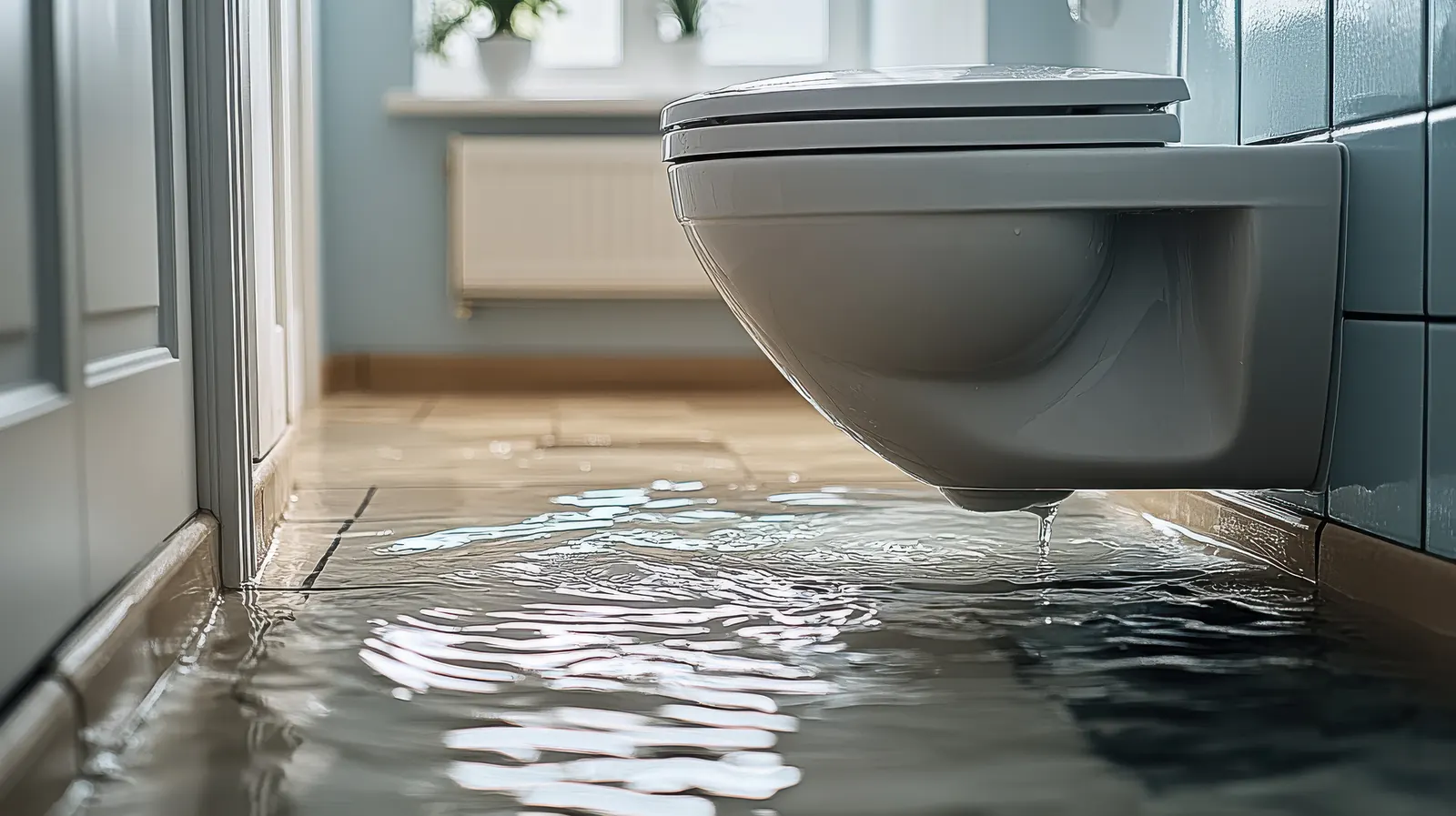
One of the most urgent reasons to address water damage quickly is mold. Mold spores are present virtually everywhere — in the air, on surfaces, and in building materials. Under normal, dry conditions, they remain dormant. But introduce moisture, and they can activate and begin colonizing within 24 to 48 hours.
The Mold Growth Timeline
- 0–12 hours: Water saturates porous materials. Mold spores begin absorbing moisture.
- 12–24 hours: Spores begin germinating in warm, humid conditions. Invisible to the naked eye.
- 24–48 hours: Mold colonies begin to establish in drywall, wood, and insulation.
- 3–7 days: Visible mold growth may appear as fuzzy patches or discoloration.
- 1–2 weeks: Widespread colonization; structural materials may be severely affected.
- Ongoing: Without remediation, mold continues spreading to unaffected areas.
Why San Antonio Is Especially Vulnerable
San Antonio's climate — with average humidity levels between 60–80% and summer temperatures regularly exceeding 95°F — creates near-ideal conditions for mold growth. When water damage occurs during summer months, mold can begin growing faster than the typical 24-hour window. The warm, humid environment accelerates spore germination and colony growth.
What Types of Mold Grow After Water Damage?
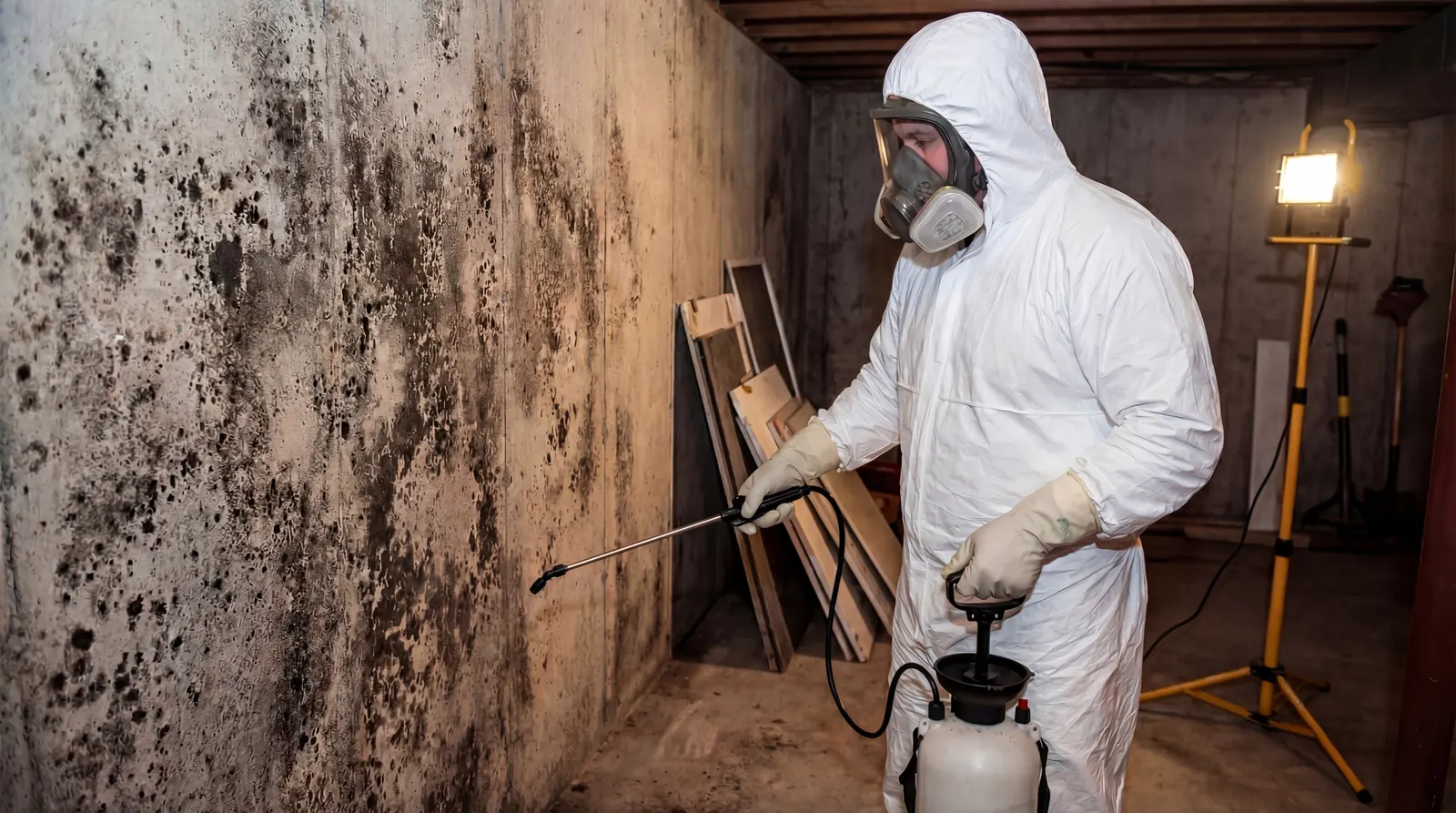
The most common molds found after residential water damage in Texas include Cladosporium, Penicillium, Aspergillus, and Stachybotrys chartarum (often called "black mold"). Stachybotrys requires prolonged moisture — typically 7–10 days — to establish, but produces mycotoxins that are hazardous to human health. Most mold found after acute water damage events is not black mold, but any mold growth should be treated seriously.
Health Risks of Mold Exposure
- Respiratory irritation, coughing, and wheezing
- Nasal and sinus congestion
- Eye, skin, and throat irritation
- Worsening of asthma or allergy symptoms
- In immunocompromised individuals: serious respiratory infections
- Prolonged exposure to mycotoxin-producing molds can have more severe effects
Materials Most at Risk
Mold preferentially grows on organic, porous materials that provide both moisture and a food source. In a typical Texas home, the highest-risk materials after water damage are: drywall and drywall paper, wooden framing and subfloor, carpet and carpet padding, insulation (especially fiberglass batts and cellulose), ceiling tiles, and OSB (oriented strand board) sheathing.
The 48-Hour Rule
In the restoration industry, there is a widely recognized "48-hour rule" — materials that remain saturated for longer than 48 hours generally cannot be dried and saved; they must be removed and replaced. This rule exists precisely because of mold: once mold has established within a material, drying alone does not eliminate it. The contaminated material must be physically removed.
💡 Pro Tip: This is why calling a professional restoration company within hours — not days — of a water event is so critical. The difference between a $2,000 drying job and a $15,000 remediation and rebuild job can literally be 24 hours.
Can You Prevent Mold After Water Damage?
Yes — if you act fast. Professional water damage restoration companies use industrial drying equipment that removes moisture from building materials far faster than consumer-grade fans and dehumidifiers. When deployed within the first few hours of a water event, these systems can often prevent mold growth entirely, eliminating the need for demolition and remediation.
Signs Mold Has Already Started Growing
- Musty or earthy odor in the affected area
- Visible fuzzy growth in shades of black, green, white, or gray
- Discoloration on walls, ceilings, or floors
- Unexplained allergy or respiratory symptoms in household members
- Worsening symptoms when inside the home that improve when outside
What to Do If You Find Mold
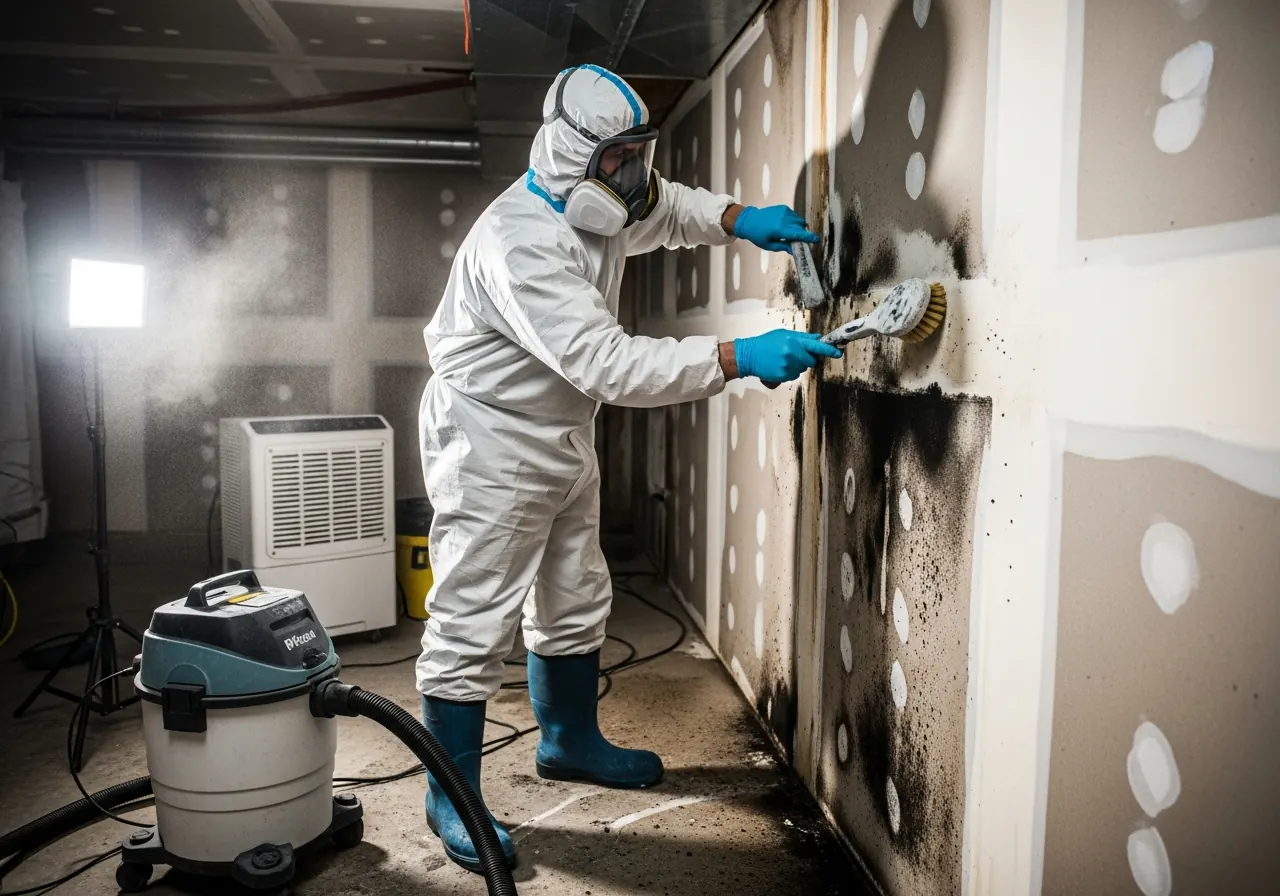
Do not attempt to clean significant mold growth yourself with bleach or household cleaners. This approach is not recommended by the EPA or IICRC, does not address mold within porous materials, and can release spores into the air. For any mold growth larger than 10 square feet, or for any growth on HVAC components, professional remediation is required.