Mold After Water Damage in San Antonio: Timeline, Risks & What to Do
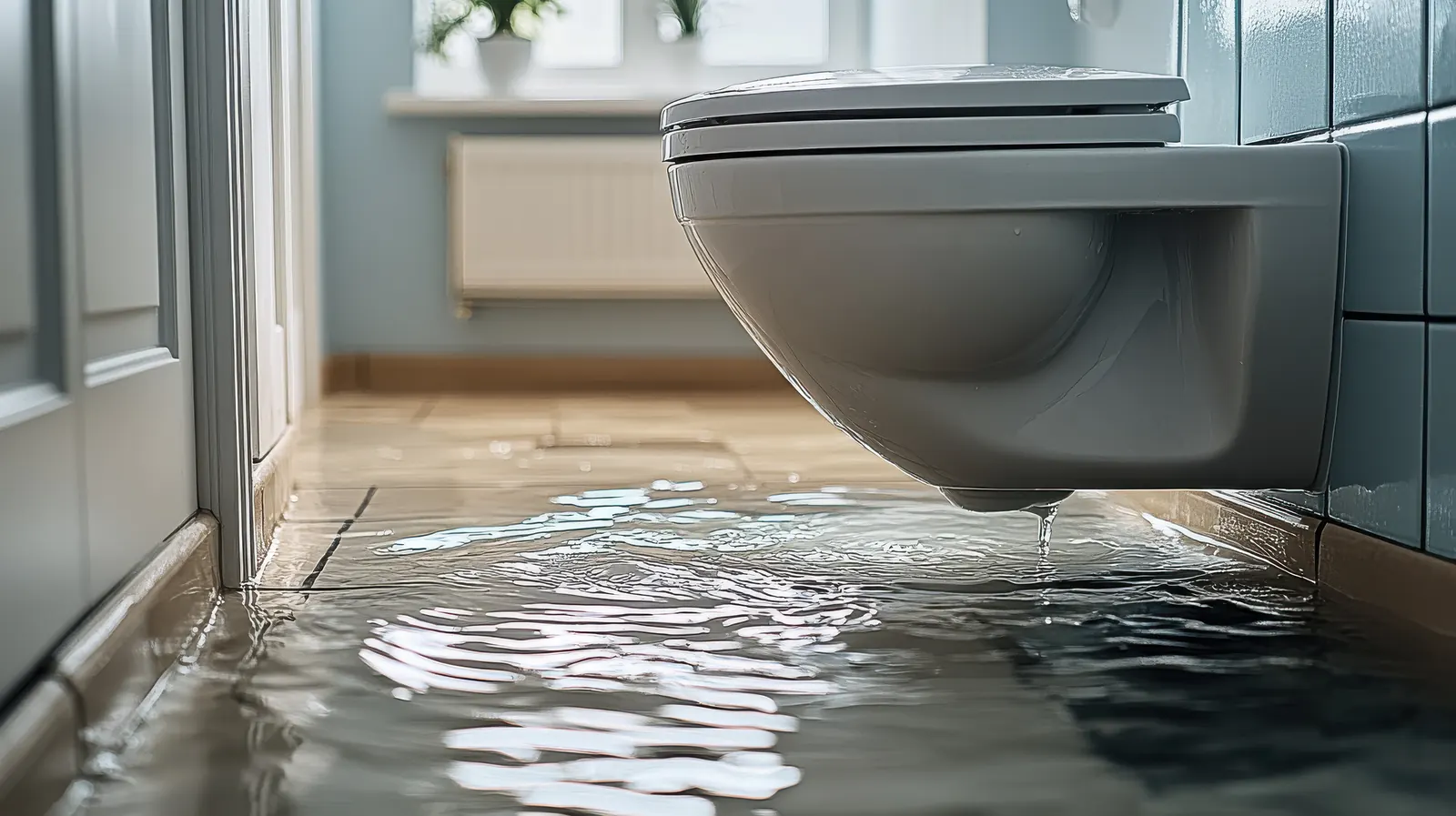
Mold can begin growing within 24 to 48 hours of water damage in San Antonio, TX. South Texas's subtropical climate — with average summer humidity above 70% and temperatures regularly exceeding 95°F — creates near-ideal conditions for rapid mold colonization after any water event.
The Mold Growth Timeline After Water Damage
- 0–1 hours: Water spreads through porous materials (drywall, insulation, wood framing).
- 1–24 hours: Drywall begins absorbing moisture; wood framing starts swelling.
- 24–48 hours: Mold spores begin germinating on wet surfaces.
- 3–7 days: Visible mold colonies form on drywall, wood, and organic materials.
- 1–2 weeks: Mold spreads to adjacent areas via HVAC systems and air movement.
- 2+ weeks: Structural damage from mold and rot; remediation costs increase significantly.
This timeline is accelerated in San Antonio due to high ambient humidity and heat.
Where Mold Hides After Water Damage in San Antonio Homes
- Inside drywall cavities — Water wicks up from the bottom; mold grows on paper backing.
- Under hardwood and laminate flooring — Moisture trapped between subfloor and finished floor.
- Beneath carpet padding — Carpet holds moisture; mold grows on padding and subfloor.
- Inside wall insulation — Fiberglass insulation traps moisture and becomes a mold medium.
- In HVAC ductwork — Water intrusion into air handling systems spreads spores throughout the house.
- Behind baseboards and cabinets — Particularly common in kitchen and bathroom water damage.
Health Risks of Mold in San Antonio Homes
- Cladosporium — Most common; causes respiratory irritation and allergic reactions.
- Penicillium/Aspergillus — Found in water-damaged building materials; can cause lung infections in immunocompromised individuals.
- Stachybotrys chartarum (Black Mold) — Grows on cellulose-rich materials; associated with severe respiratory symptoms.
- Chaetomium — Commonly found inside water-damaged drywall; produces a distinctive musty odor.
Texas law (Texas Occupations Code Chapter 1958) requires mold remediation contractors to be licensed by the Texas Department of Licensing and Regulation (TDLR).
How to Prevent Mold After Water Damage in San Antonio
- Extract standing water within the first hour.
- Begin structural drying with commercial dehumidifiers and air movers immediately.
- Remove wet drywall, insulation, and carpet padding within 24–48 hours if saturated.
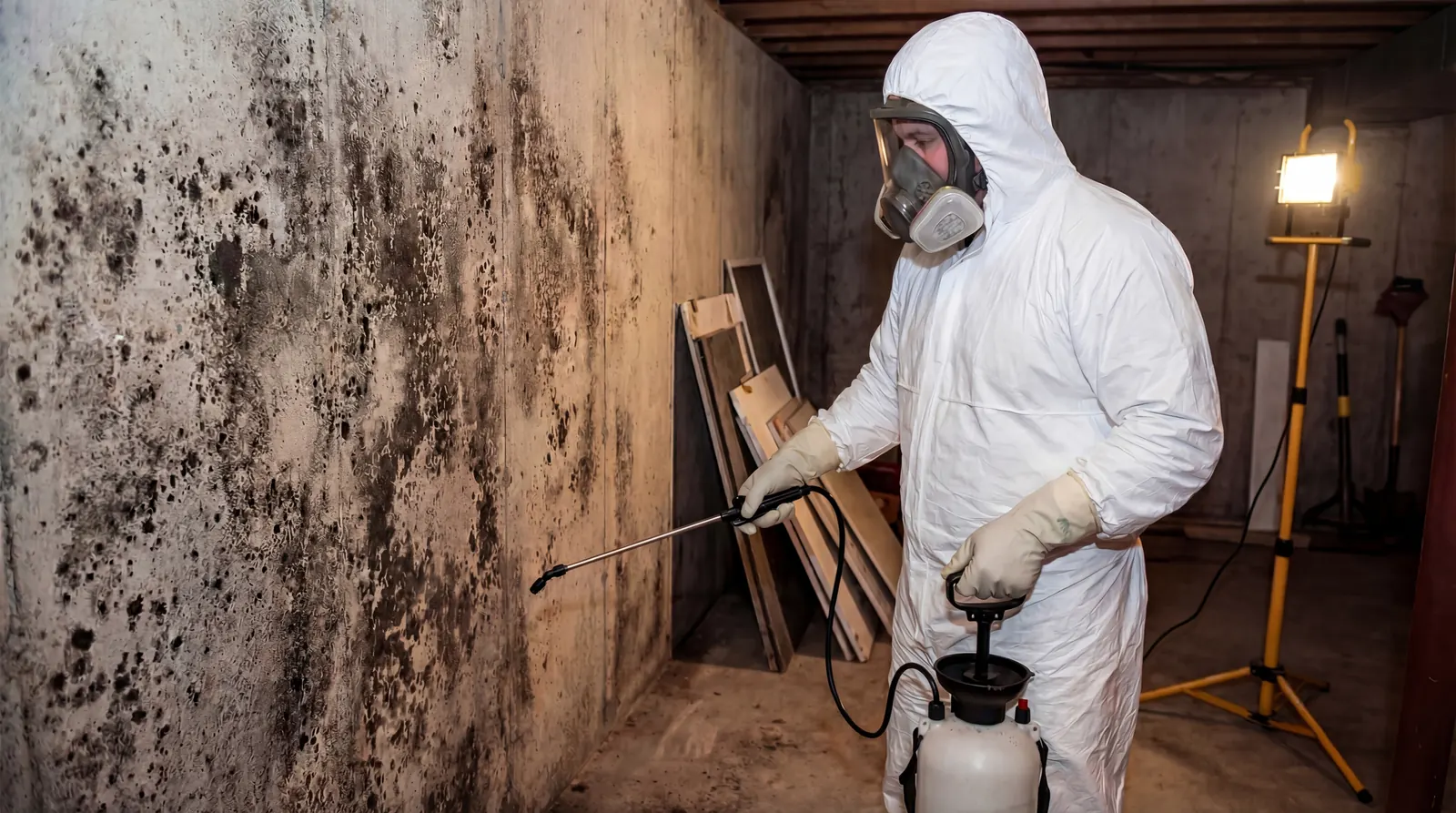
- Apply EPA-registered antimicrobial treatment to all affected structural surfaces.
- Monitor moisture levels daily with a calibrated moisture meter until materials reach target dryness.
💡 Pro Tip: Commercial-grade low-grain refrigerant (LGR) dehumidifiers — which San Antonio Water Damage & Restoration deploys on every job — remove 4–6 times more moisture per day than consumer-grade equipment.
Signs You Already Have Mold After Water Damage
- Persistent musty or earthy odor in affected rooms.
- Visible discoloration on walls or ceilings (black, green, gray, or white spots).
- Warping or bubbling paint or wallpaper.
- Increased allergy or respiratory symptoms when in the affected area.
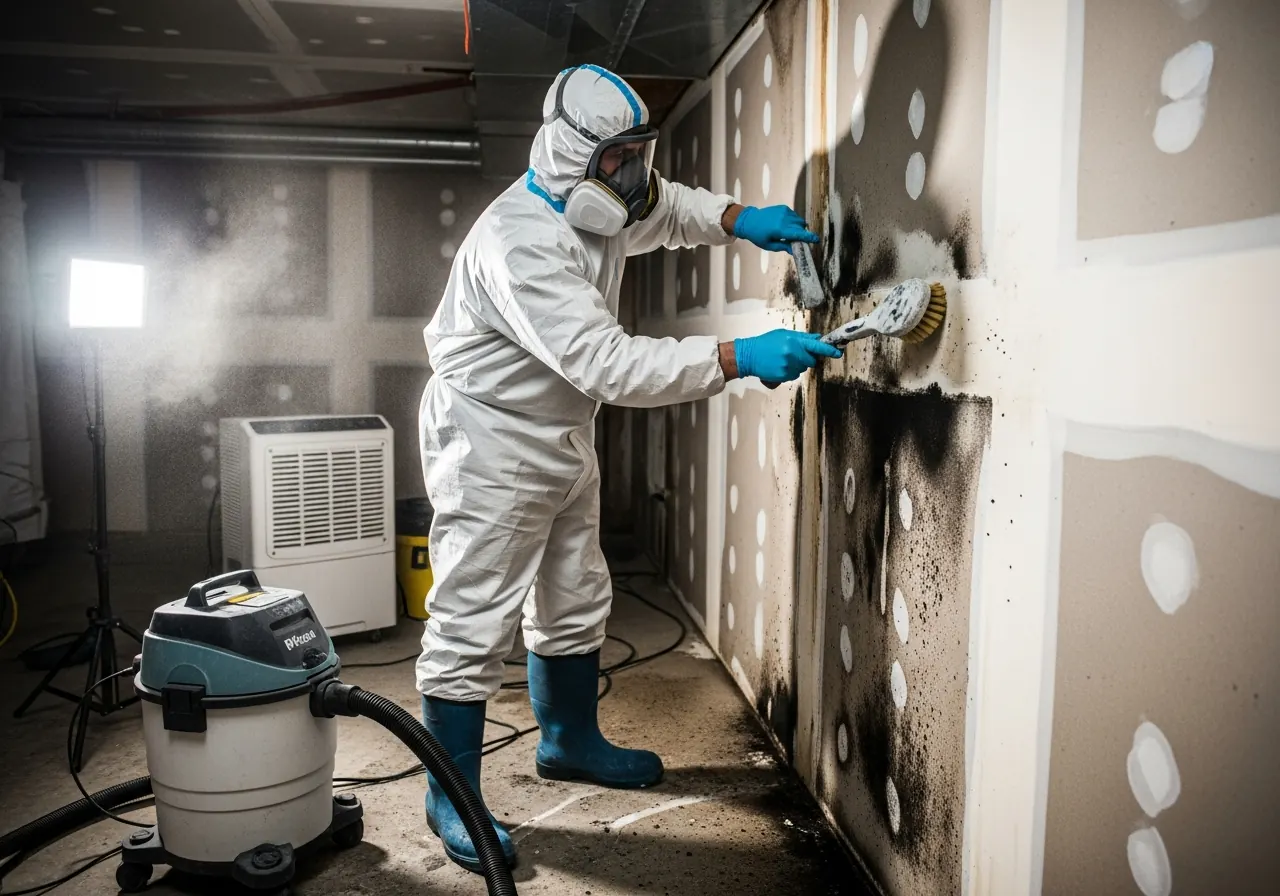
Professional Mold Remediation in San Antonio
- Air sampling and moisture mapping to identify all affected areas.
- Containment of the mold zone using negative air pressure and polyethylene barriers.
- HEPA air scrubbing to capture airborne mold spores.
- Removal of unsalvageable materials (drywall, insulation, carpet).
- HEPA vacuuming and antimicrobial treatment of structural surfaces.
- Post-remediation air quality testing to verify clearance.
Frequently Asked Questions
How quickly does mold grow after water damage in San Antonio?
Mold can begin germinating within 24–48 hours of water exposure. San Antonio's high humidity and heat accelerate this timeline, making professional water extraction and drying within the first 24 hours critical.
What does mold smell like after water damage?
Mold typically produces a musty, earthy, or damp smell — sometimes described as similar to wet cardboard or rotting wood. The smell is often strongest in enclosed spaces like closets, crawlspaces, and inside wall cavities.
Can I remove mold myself after water damage in Texas?
Small surface mold patches (under 10 square feet) on non-porous surfaces can be cleaned by homeowners. However, mold inside walls, under flooring, or covering more than 10 square feet requires a Texas TDLR-licensed mold remediation contractor.
Does homeowners insurance cover mold remediation in Texas?
It depends. If mold resulted from a covered water damage event (burst pipe, appliance failure), insurance typically covers remediation. Mold from neglected leaks or flooding is generally not covered.