When Water Damage Leads to Mold in San Antonio Homes
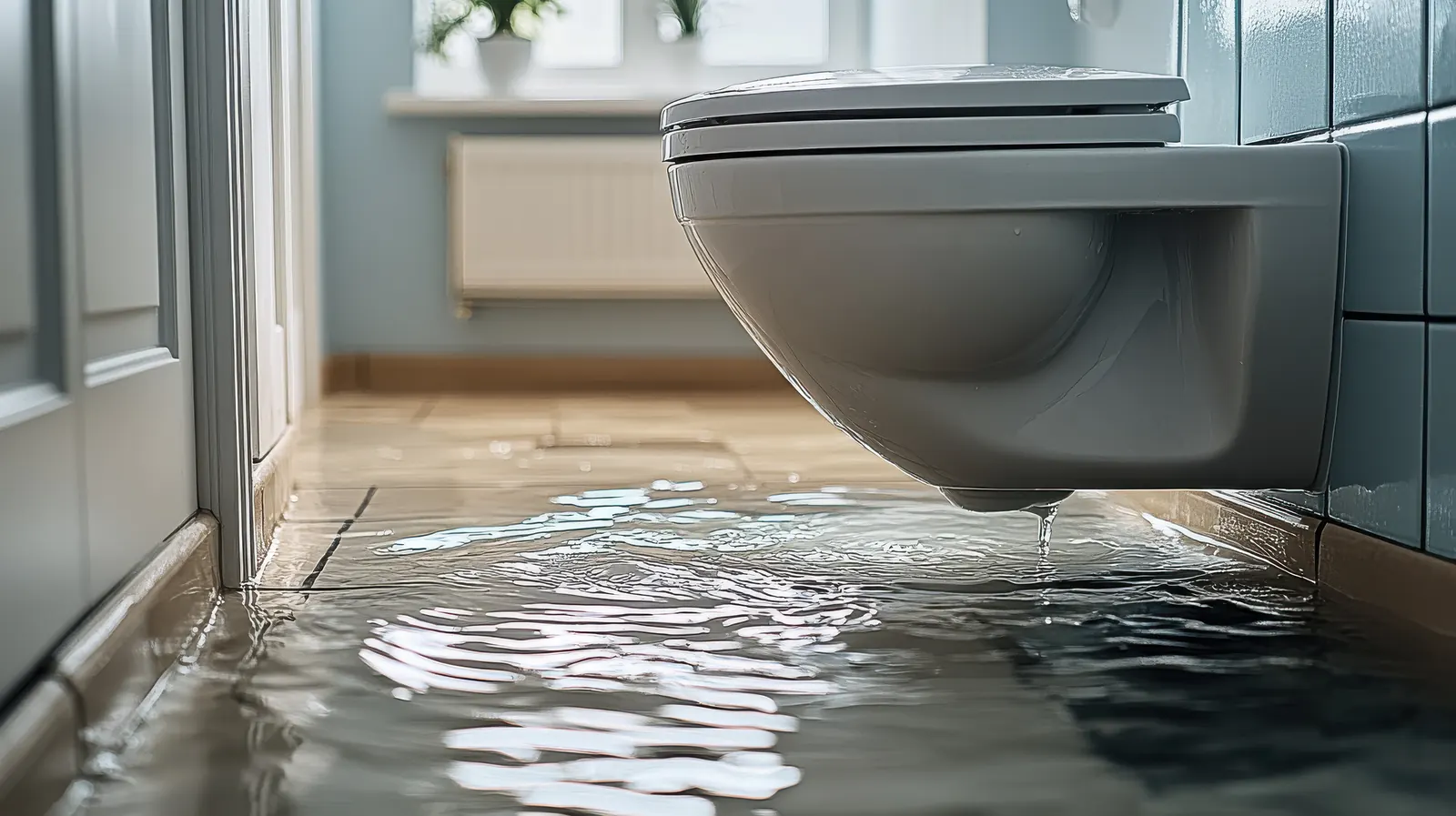
Water damage in a home almost never feels like good news, but it can seem small enough to shrug off. A slow drip under the sink, a stain on the ceiling after a spring storm, a little puddle under the AC unit. Many homeowners wipe it up, crack a window, and move on. Then, a few weeks later, they notice a musty smell, a dark patch growing on the wall, or family members coughing more at home.
That is how water damage quietly turns into mold. Mold does not wait very long. In many cases, it can start growing within a day or two if moisture is trapped. In a warm, humid place like San Antonio, that process can move even faster. What looked like a minor leak can grow into a serious problem in hidden spaces like wall cavities, under flooring, or inside cabinets.
How San Antonio's Climate Fuels Mold Growth
Spring in San Antonio often brings longer days, more rain, and plenty of humidity. When storms roll through, roofs, windows, and aging pipes all get put to the test. Warmer temperatures also help moisture hang around instead of drying out quickly. Mold needs just a few simple things to grow:
- Moisture from leaks, condensation, or flooding
- Organic material like drywall, wood, carpet, or insulation
- Warm air, which we have most of the year
Common local sources of water damage that lead to mold include:
- Strong thunderstorms and wind-driven rain
- Flash flooding that pushes water inside entry points
- Slab leaks that stay hidden under flooring
- Aging or damaged plumbing lines inside walls
- HVAC and AC condensation that drips where it should not
- Roof damage from hail, wind, or clogged gutters
Early Warning Signs Your Home May Have Mold
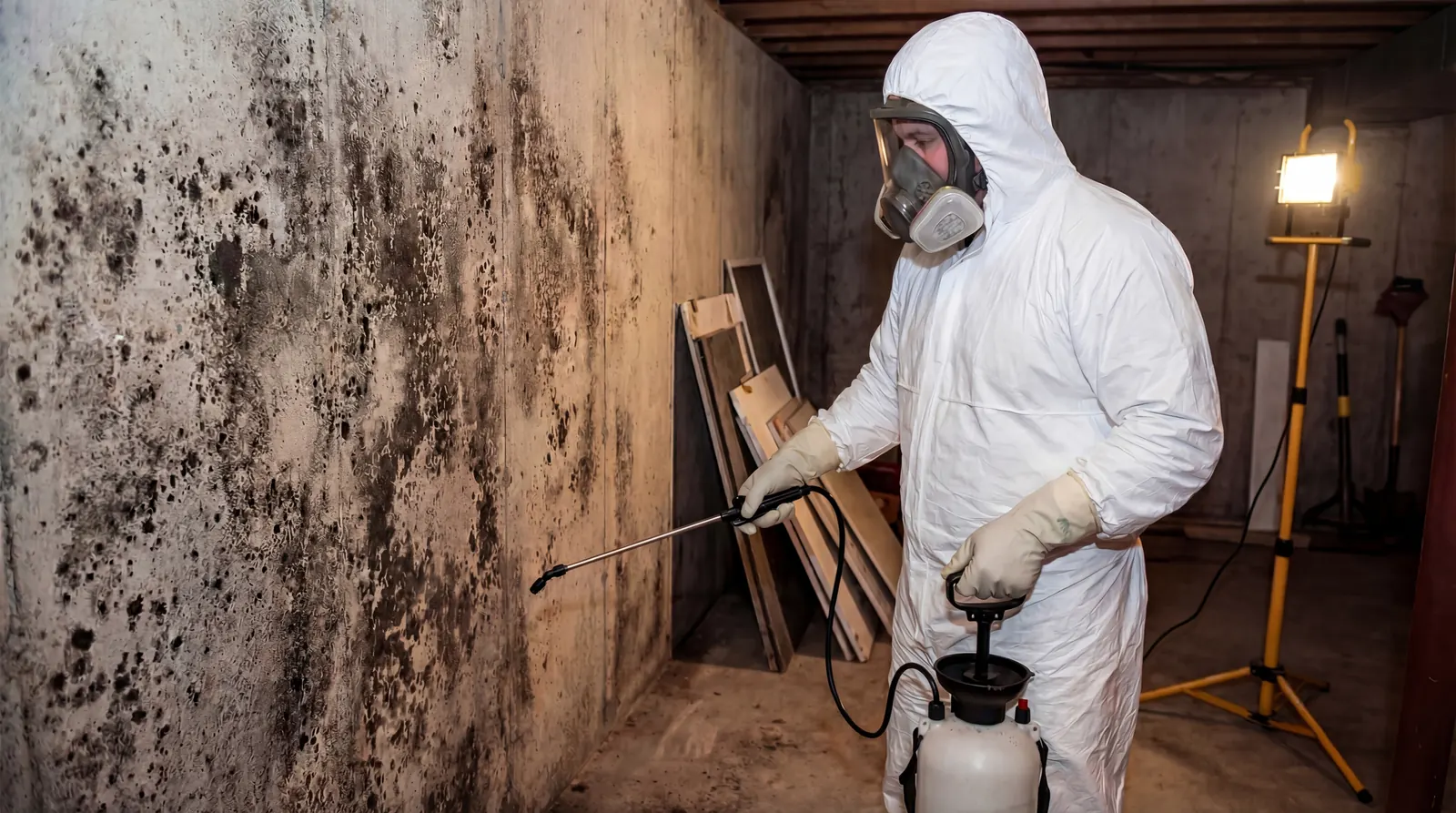
Mold is sneaky. Sometimes it is out in the open, but many times it hides behind paint, under flooring, or in dark corners. Watch for visible clues such as:
- Dark or discolored spots on walls, ceilings, or baseboards
- Streaks or patches near windows or AC vents
- Bubbling, cracking, or peeling paint
- Warped or buckling wood floors or baseboards
You may also notice a persistent musty or earthy odor, even after cleaning, or smells that get stronger when the AC is on. Some people are sensitive to indoor mold and might notice:
- Stuffy nose, coughing, or throat irritation at home
- Sinus issues or headaches that feel worse indoors
- Extra trouble for kids, older adults, or anyone with asthma
Why DIY Mold Cleanup Can Make Things Worse
When someone spots mold, the first thought is often to grab bleach and start scrubbing. But surface cleaning rarely takes care of the whole problem — mold roots can grow inside porous materials like drywall or wood. Wiping the surface might fade the stain, but the mold can still be alive below. DIY efforts can also spread mold without you seeing it:
- Dry brushing moldy areas can send spores into the air
- Pointing a regular fan at wet or moldy spots can blow spores into clean rooms
- Pulling up carpet or baseboards without protection can disturb hidden growth
Professional mold remediation is usually the safer choice, especially when the mold covers a large area, the same spot keeps getting moldy again, or the mold follows a major leak, flood, or sewage issue.
Professional Mold Remediation Steps You Can Expect
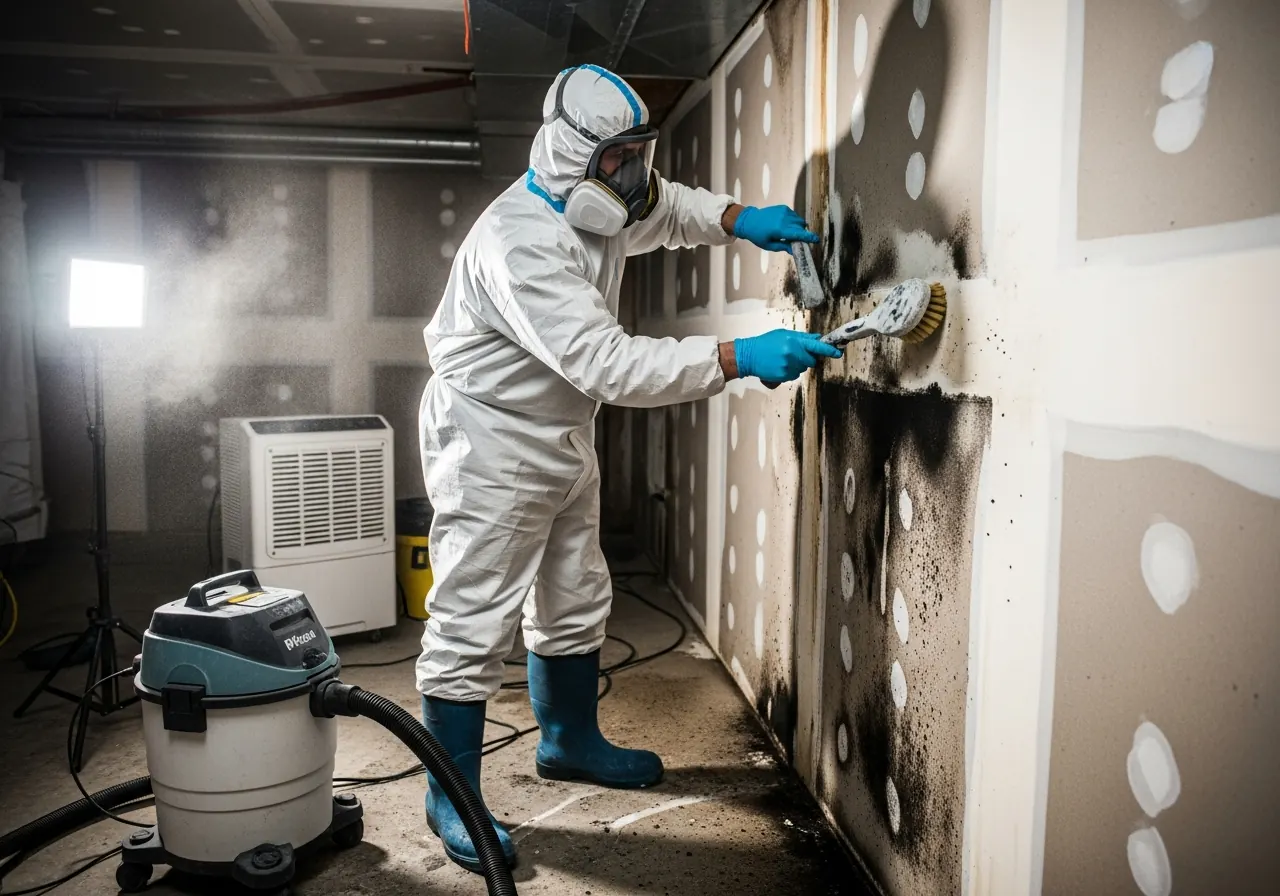
When professionals handle mold remediation, there is a clear process designed to find, remove, and help prevent mold problems. Typical steps include assessment and inspection (checking visible and hidden areas with moisture meters), containment using plastic barriers and HEPA filters to prevent spores from spreading, then removal of damaged materials followed by antimicrobial treatment. Finally, professional drying addresses hidden moisture under flooring or inside wall cavities and recommendations are shared to prevent future water and mold issues.
Take Control After Water Damage Before Mold Spreads
When you first discover water damage, what you do next can make all the difference. A simple plan helps you stay calm and focused:
- Shut off the water source if it is safe and possible
- Stay clear of any area where water may be touching electrical outlets
- Move furniture, rugs, and valuables away from wet areas if you can do so safely
- Avoid using household fans directly on wet building materials
- Document the damage with photos and notes
💡 Pro Tip: During San Antonio's wet spring season, treat leaks as urgent problems instead of minor annoyances. Quick water removal and proper mold remediation can prevent weeks of disruption down the line.
If you suspect mold growth, now is the time to act. At San Antonio Water Damage & Restoration, our certified technicians provide thorough inspections and targeted mold remediation tailored to your property's needs. We respond quickly and keep you informed at every step. Call (210) 646-4379 or contact us to schedule your inspection today.